Who Gets the Check After a Car Insurance Claim
The check usually goes to whoever owns the car or holds a lien on it, not automatically to the driver who filed the claim.
Free to compare
It depends on ownership and whether there's a lienholder
If you own your car outright and you're the one named on the policy, the check comes to you. Your insurer cuts it in your name, and what you do with it is your business, whether that's paying a shop or pocketing it if you decide not to fix the car.
If you still owe money on the car, the lender has a financial interest in it too. Insurers usually write the check to both you and the lienholder, which means you can't cash it without the lender's signature. That's not your insurer being difficult. It's standard practice whenever a car isn't fully paid off.
Whether you have a loan or lease on the car
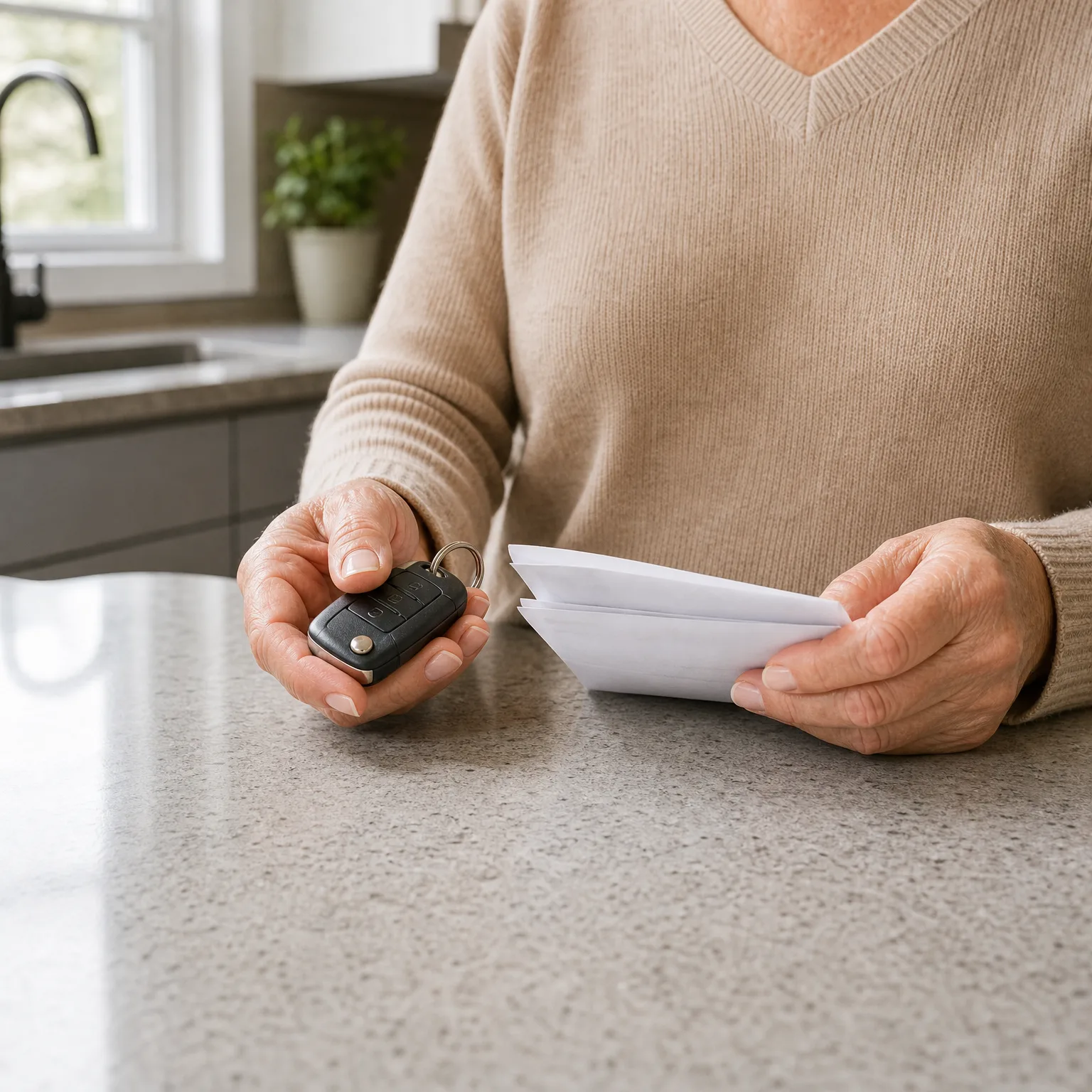
A lienholder's name on the title changes how the payout works. The insurer knows the lender has money tied up in the car, so the check protects that interest until the lender confirms the repair happened or releases the funds.
If you're leasing, the leasing company is usually the lienholder, and the same rule applies. You'll likely need to call them before the insurer will issue anything, just to confirm how they want the check handled.
If the car is paid off and titled only in your name, there's no lienholder to satisfy, and the check goes straight to you. This is one of the first things worth checking before you file, so you know what paperwork to expect.
Some lenders require the repair shop to be paid directly rather than sending money to you first. Ask your lender how they prefer to handle it, since this varies by lender and isn't something your insurer controls.
Who else was involved in the accident
If another driver was at fault and their insurer is paying the claim, the check still generally follows the same ownership rule. It goes to you as the owner, or to you and your lienholder jointly if there's a loan involved.
When a repair shop does the work, some insurers pay the shop directly instead of sending you a check first. This is more common with insurer-approved repair networks. Ask your adjuster early on whether they plan to pay you or the shop, so there's no confusion when the work is finished.
If you're not the one who filed the claim, for instance if a family member was driving your car when the accident happened, the check still typically goes to the vehicle's owner, not the driver. The policy and the title are what matter, not who was behind the wheel.
Questions people ask about this
Does the insurance check go to me or the body shop?
It depends on how your insurer handles the claim. Some send the check to you and expect you to pay the shop once repairs are done. Others pay the shop directly, especially if you used a shop in their preferred network. Ask your adjuster which method they're using before repairs start.
What happens if I don't want to repair my car?
You're generally allowed to keep the payout and not fix the car, as long as there's no lienholder requiring the repair. If you have a loan, the lender may require proof of repair before releasing their portion of the funds. Check your loan agreement or ask your lender directly.
Can my mechanic cash the insurance check for me?
Only if the check is made out to the mechanic or shop, or if you endorse it over to them yourself. If the check includes your name and a lienholder's name, both parties usually need to sign before anyone can cash or deposit it.
Why did the insurance check include my lender's name?
This happens because your lender has a financial stake in the car until the loan is paid off. Insurers protect that interest by naming the lienholder on the check, which means you'll likely need their signature before you can deposit it.
Who gets the claim check if the car is totaled?
If the car is a total loss, the payout typically goes to the lienholder first, up to what's owed on the loan. Anything left over after the loan is paid goes to you as the owner. If the car is paid off, the full amount comes to you.
See what other drivers in your situation are paying before your next renewal.
Check your loan or lease paperwork to see if a lienholder is listed, since that determines whose name goes on the check. If you're using a repair shop, ask upfront whether your insurer plans to pay you or the shop directly. Have your policy number and loan account number ready when you call either party, since both may ask for them. If a lienholder needs to sign off, find out whether they want the check mailed to them first or sent to you for endorsement. Settling these details before repairs begin saves you from a delay once the work is finished.