What Happens If Your Parked Car Is Hit
Who pays depends on whether the other driver is known, and your own policy decides what happens if they aren't.
Free to compare
It depends on whether you know who hit you
If the other driver left a note or was identified, their liability coverage should pay to repair your car. You file a claim against their policy, not your own, and your own rates shouldn't be affected since you weren't at fault.
If the driver left no note and can't be identified, it becomes a hit-and-run. In that case your own policy is what pays, and only if you carry collision coverage or, in some states, uninsured motorist property damage coverage. Without one of those, you're paying for the repair yourself.
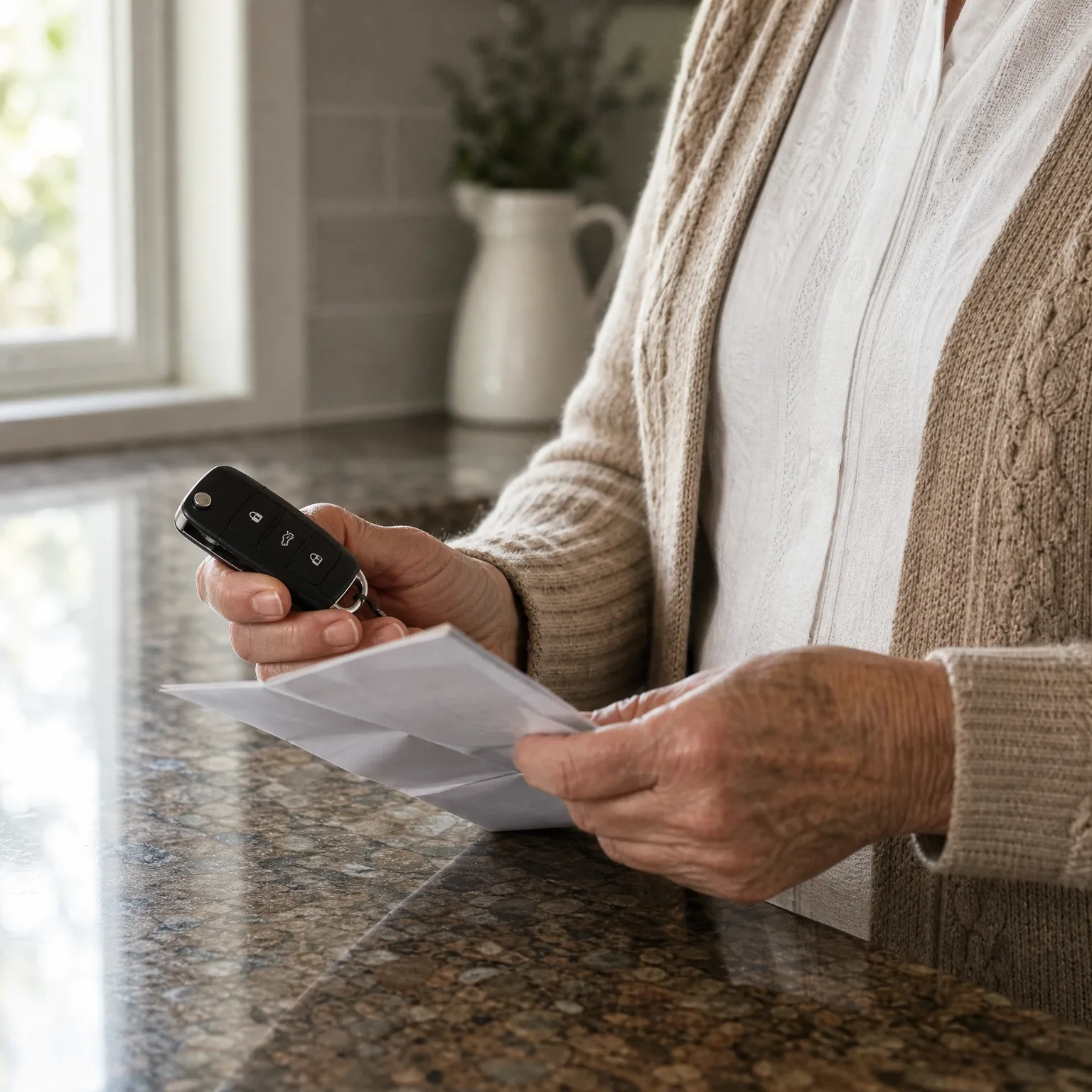
What coverage you carry matters most
Liability coverage, which almost every state requires, only pays for damage you cause to someone else. It does nothing for your own car when you're the one who got hit. Collision coverage is what pays to repair your car regardless of who's at fault, which is exactly the coverage that matters in a hit-and-run.
Some states also have uninsured motorist property damage coverage, which can apply when the at-fault driver has no insurance or can't be found. Whether this exists in your state, and whether you already have it, is worth checking before you assume you're covered.
If you only carry the state minimum liability coverage, a hit-and-run to your parked car likely isn't covered by your own policy at all. That's worth knowing now, not after it happens.
Check your declarations page or call your agent to see exactly which of these you have. It's a short conversation and it tells you where you actually stand.
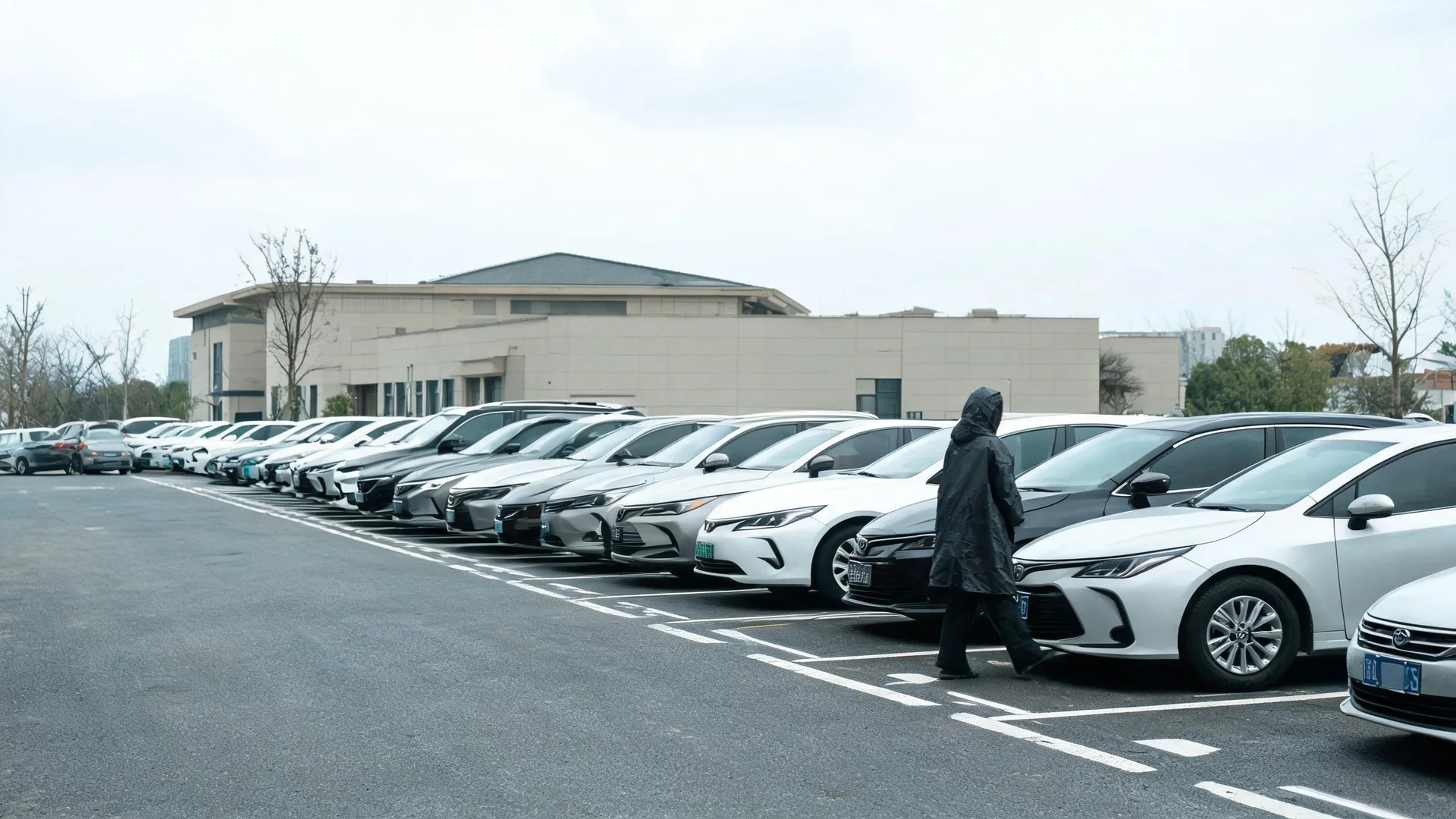
What you do right after it happens changes the outcome
If you come back to find your car damaged and no one around, look for witnesses, security cameras on nearby buildings, or anyone who saw what happened. A police report helps even when no suspect is found, because insurers often ask for one before paying a claim.
Photograph the damage, the position of your car, and anything around it before you move it. The more documentation you have, the smoother the claim goes, whether it's filed against another driver's policy or your own.
If the other driver is known, get their insurance information directly if possible, or let the police report establish it. You generally don't need to involve your own insurer right away unless you're using your own collision coverage.
Report it to your insurer within the time window your policy specifies, even if you're not sure yet whose coverage will end up paying. Waiting too long can complicate a claim either way.
Questions people ask about this
Does filing a claim for a hit-and-run raise my rates?
It can, because even though you weren't at fault, the claim is paid through your own collision coverage, which some insurers treat differently than a claim against another driver's liability policy. Ask your agent how your insurer handles not-at-fault claims paid under your own coverage before you decide whether to file.
What if my parked car was hit on private property instead of a street?
The same rules about coverage generally apply, since it's about who caused the damage and what coverage you carry, not where the car was parked. If it happened in a parking lot with cameras, footage can help identify the driver even if they didn't leave a note.
Can I find out who hit my car from a paint transfer or debris left behind?
Sometimes, and it's worth photographing before you clean it off, but identifying a vehicle this way usually requires police involvement. A report gives you an official record and lets an investigator pursue leads you can't follow up on yourself.
Should I get my own repair estimate before filing a claim?
An estimate can help you understand the scope of damage, but most insurers will want to send their own adjuster or direct you to an approved shop. Ask your insurer how they prefer to handle the estimate before paying for one out of pocket.
Does it matter if my car was legally parked when it was hit?
Generally no, since fault usually comes down to the other driver's actions, not where you left your car. The exception is if you were parked somewhere illegal or unsafe, which could come up if there's any dispute over the claim.
If you're thinking about what coverage would actually protect you next time, it helps to see what a policy with collision or uninsured motorist property damage coverage costs.
Pull up your declarations page this week and check whether you have collision coverage or uninsured motorist property damage coverage, since one of those is what pays if your parked car is ever hit by someone who doesn't stick around. If you're not sure what you have, call your agent and ask directly. If your car was just hit, take photos before you move it, look for cameras or witnesses nearby, and file a police report even if you don't expect to find who did it. Report the incident to your insurer within whatever window your policy requires, even while you're still sorting out whose coverage will pay.