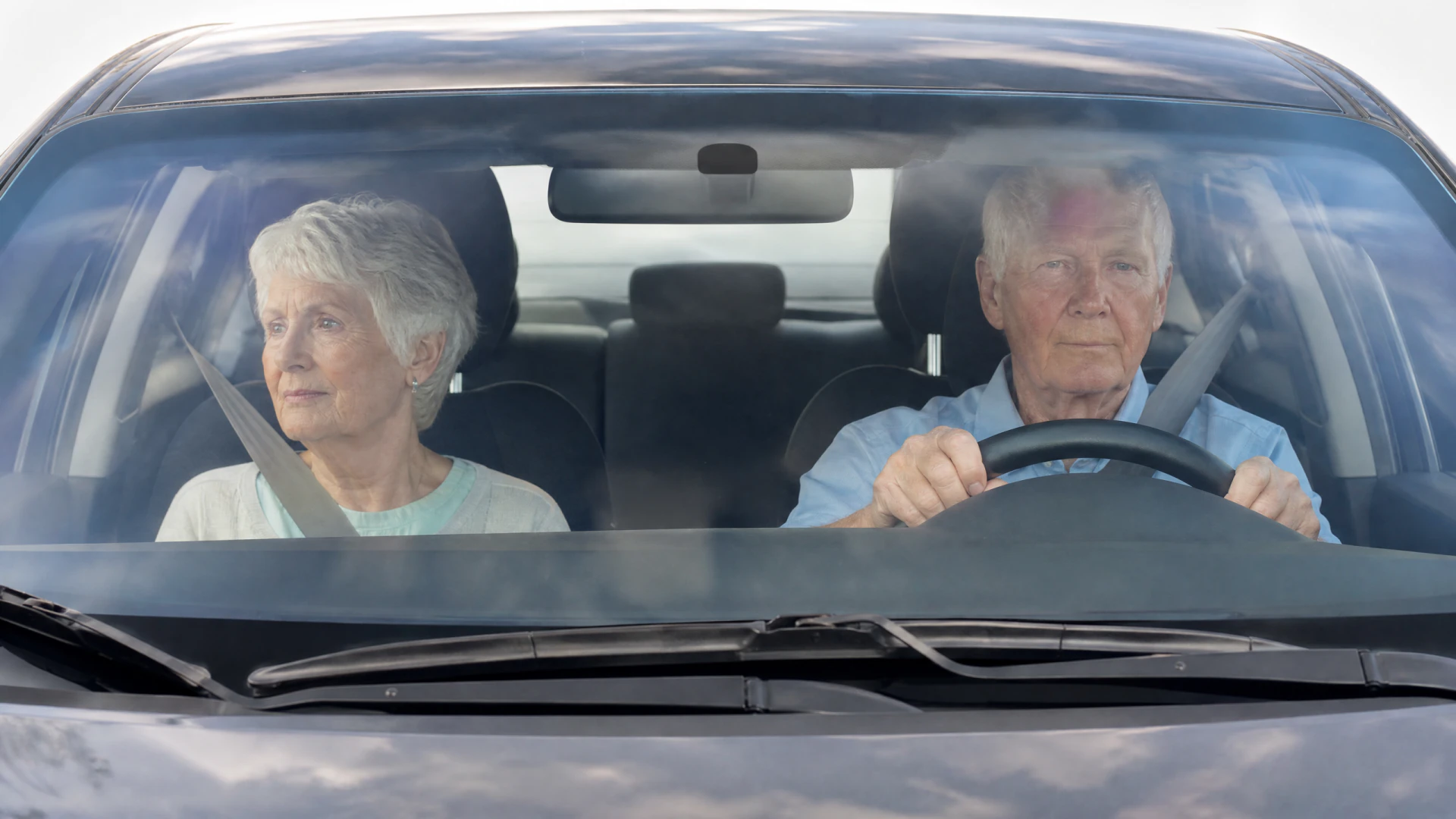
What If My Parent Has an Accident in My Car
In most cases your own policy pays out first, because coverage follows the car rather than the driver.
Free to compare
Your policy pays first, not your parent's
If your parent was driving your car with your permission and gets into an accident, your insurance is the one that responds. Insurance is attached to the vehicle, so whoever is behind the wheel is usually covered by that car's policy as long as they had reason to believe they could drive it.
Your parent's own policy, if they have one, typically only comes in after your coverage is used up, or if your policy excludes them by name. What actually happens still depends on your insurer and the specific terms of your policy, so this is worth checking before it becomes the question you're asking after an accident instead of before one.

Whether your parent is a listed or excluded driver
Most policies cover anyone who drives your car with your permission, even if they're not named on it. This is sometimes called permissive use. If your parent borrows your car occasionally, they're likely covered this way without you having to do anything.
Some policies work differently. If you ever specifically excluded your parent as a driver, perhaps because of their driving record or age, that exclusion means your insurer will not cover an accident they cause in your car. The policy documents will say so directly.
If your parent drives your car regularly, not just once in a while, your insurer may expect you to list them on the policy. An insurer can question coverage after the fact if a driver should have been listed and wasn't. It's worth telling your insurer how often your parent actually uses the car, rather than guessing at what counts as occasional.
What it does to your rate afterward
An accident in your car usually affects your record and your rate, even though your parent was driving. The policy belongs to you, so the claim goes against your history, not theirs.
This is true even if your parent was clearly at fault. Insurers track claims by policy, and the increase that follows a claim is tied to the car and the policyholder, not to who was behind the wheel that day.
If your parent has their own insurance policy, that policy generally isn't touched by an accident in your car, since the claim was filed under yours. Ask your insurer directly how a claim like this would be recorded, since the details of how it affects your specific rate going forward depend on your insurer's rules.
Questions people ask about this
Does my parent need to be on my insurance to drive my car?
Not necessarily, if they drive it only occasionally and you gave them permission. Insurers generally expect regular drivers to be listed, so the real question is how often your parent actually uses the car. Ask your insurer where that line falls for your specific policy.
What happens if my parent causes an accident and doesn't have their own insurance?
Your policy still responds the same way, since coverage follows the car rather than the driver. Whether your parent has their own insurance doesn't change how your claim is handled. It could matter afterward if they were at fault and liability extends beyond what your policy covers.
Can my insurance company refuse to pay if my parent was driving?
They can, if your parent wasn't permitted to drive the car or was specifically excluded from your policy. Outside of those situations, permissive use typically applies. Check your policy documents or ask your insurer directly if you're unsure whether your parent is excluded.
Will my rates go up if my parent causes an accident in my car?
Likely yes, since the claim is filed against your policy regardless of who was driving. How much it affects your rate depends on your insurer and your claims history. Ask your insurer how an at-fault claim like this would be treated under your specific policy.
Should I add my elderly parent to my car insurance policy?
That depends on how often they actually drive your car and what your insurer requires. If it's rare, permissive use may already cover them without adding them. If it's regular, ask your insurer whether they need to be listed to keep your coverage valid.
See how switching or adjusting your coverage might work better for a shared car situation like this.
Pull out your current policy and check whether it names any excluded drivers, since that single detail decides whether this situation is covered at all. Call your insurer and describe exactly how often your parent drives your car, so you get a straight answer about whether they need to be listed. If your parent has their own policy, ask them to do the same check from their side. Keep a note of what your insurer tells you, including the date and who you spoke with, in case the answer is ever disputed later. If anything about the answer seems to depend on your state's rules, ask your insurer to point you to where that's written down.