
Who Pays If My Parent Causes a Car Accident
The policy on the car that was driven pays first, no matter who is behind the wheel or how old they are.
Free to compare
Your parent's insurer pays, because the policy follows the car
When your parent causes an accident, the claim goes against the insurance policy on the car they were driving. If that car is registered and insured in your parent's name, their policy pays for the other driver's damages and injuries, up to its limits.
This works the same way at any age. The insurer doesn't ask how old the driver is before it pays a claim. What it looks at is whose policy covers the car and whether the driver was allowed to be driving it in the first place.

Whose name is on the car and the policy
If your parent owns the car and insures it themselves, their policy is the one that responds. The other driver's medical bills, car repairs and any other covered losses get paid from your parent's coverage, up to the limits they bought.
If the car belongs to someone else, say it's registered to you or another family member, the answer can shift. Many policies cover anyone who drives the car with permission, so your policy could end up paying even though your parent was driving. This is worth checking before anything happens, not after.
If your parent was driving a borrowed car or a rental, the rules get more specific. Rental agreements often have their own insurance terms, and a borrowed car usually falls back on the owner's policy first. Ask your parent's agent how their policy handles a claim when they're driving a car that isn't theirs.
If your parent's coverage isn't enough to pay for everything, the other driver can come after your parent personally for the rest. This is one reason some families raise the liability limits on an aging parent's policy rather than lower them.

Whether your parent was legally allowed to be driving
An insurer can refuse to pay a claim if your parent wasn't licensed to drive at the time, for example if their license had been suspended or had already expired. This isn't about age itself. It's about whether the license was valid.
Some states require older drivers to renew more often, pass a vision test, or complete specific steps to keep their license current. If your parent missed one of those steps and their license had lapsed, the insurer may treat the claim differently, and your parent could be personally responsible for the damages. Check with your state's licensing agency to see what's required for renewal at your parent's age.
A diagnosed medical condition that affects driving, like certain vision or cognitive issues, can also complicate a claim if the insurer later learns your parent wasn't fit to drive and didn't disclose it. This isn't automatic, but it's something an insurer can look into after a serious accident.
If you're helping a parent manage their insurance, it's worth asking their agent directly what would happen to a claim if their license lapsed or their medical fitness to drive were ever questioned. Getting that answer now is more useful than guessing later.
Questions people ask about this
Does my insurance go up if my parent causes an accident in my car?
It can, because the claim is filed against your policy if your parent was driving your car with permission. Whether your rate actually increases depends on your insurer's rules about at-fault claims. Ask your agent how a claim involving a permitted driver affects your policy specifically.
Can an elderly parent be removed from a car insurance policy after an accident?
An insurer can choose not to renew a policy or to exclude a specific driver, depending on their underwriting rules and your state's regulations. This isn't something that happens automatically after one accident. Ask your parent's insurer directly what their policy is on renewal after a claim.
What happens if my parent's license is suspended after an at-fault accident?
A suspended license can affect future insurance eligibility and rates, and some insurers treat a suspension differently than a clean at-fault claim. The rules for suspension and reinstatement are set by the state's licensing agency, not the insurer. Check with that agency for what your parent needs to do to get their license back.
Should I add my elderly parent as a driver on my insurance policy?
This depends on whether your parent drives your car regularly and what your insurer requires you to disclose. Most policies ask you to list regular drivers of the vehicle, not just the owner. Ask your insurer whether your parent needs to be listed and how that would affect your premium.
Can I be sued personally if my parent causes an accident in my car?
If your parent's own coverage and any coverage on your car aren't enough to pay for the damages, the other driver can pursue a claim against whoever is legally responsible, which may include you as the car's owner. This varies by state. Ask an insurance agent or attorney in your state how owner liability works where you live.
See what it would cost to raise your parent's coverage or add them to your own policy.
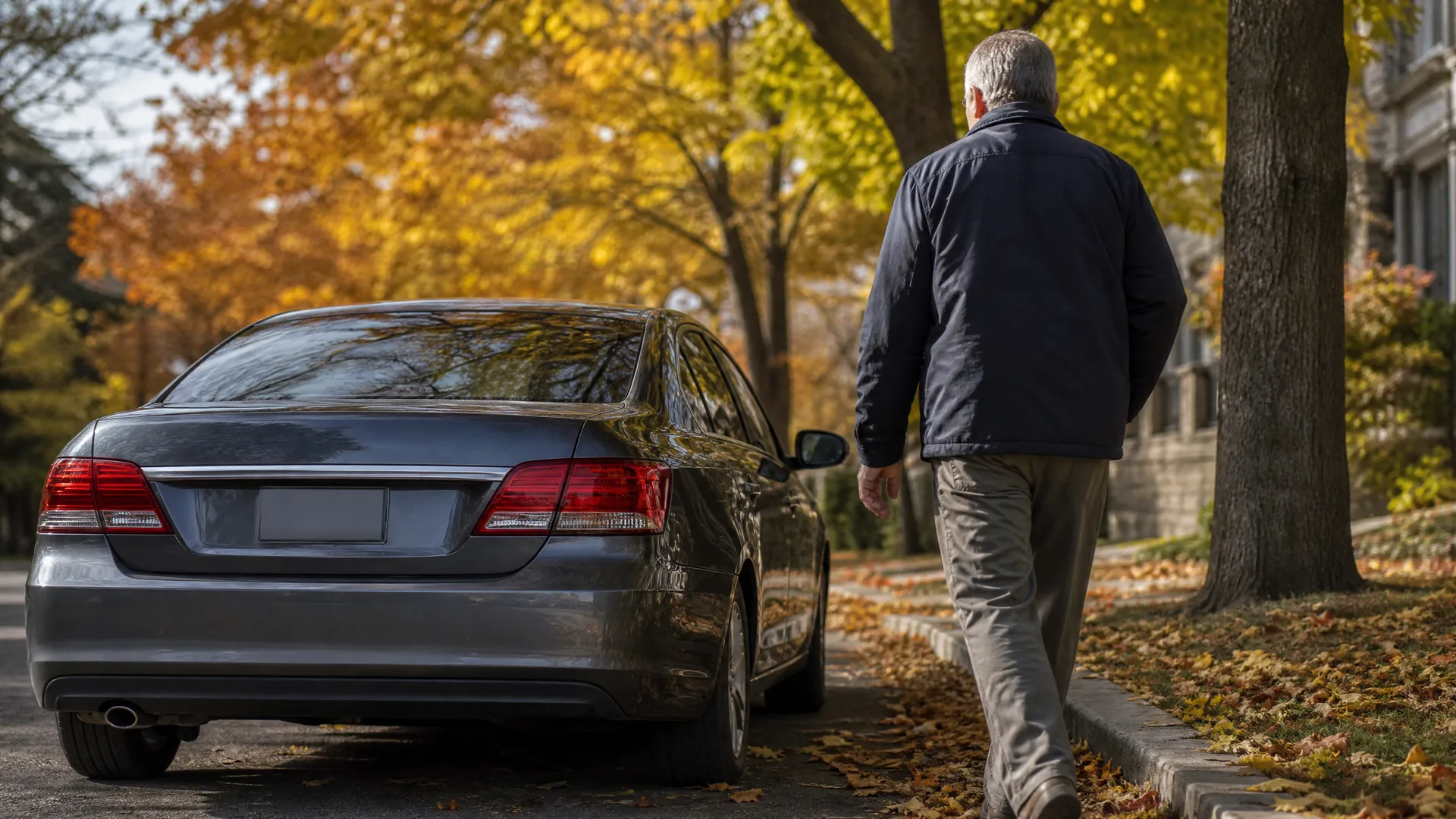
Start by finding out exactly whose name is on the car your parent usually drives and whose policy covers it. Call that insurer and ask two things: what happens to a claim if your parent is at fault, and what the liability limits currently are. If your parent's license requires renewal, a vision test or a medical form at their age, check with your state's DMV so you know it's current. If there's any chance your parent drives a car that isn't insured in their name, get that sorted out this week, before anything happens rather than after. Once you know where things stand, it's worth comparing quotes to see whether higher liability limits or a separate named-driver policy makes more sense for your family.