
What If the Other Driver's Insurer Is Slow to Pay
You don't have to wait on the other insurer. Your own policy may let you start the claim sooner.
Free to compare
You have options besides waiting
When the other driver's insurer drags its feet, you are not stuck. If you carry collision coverage, you can file the claim with your own insurer and let them pursue the other side for repayment. Your insurer pays out on your policy, then goes after the other driver's insurer directly.
This matters because repair bills and medical costs don't wait for an insurer to decide who's at fault. Filing through your own policy means you deal with a company that already knows you and has a reason to move. Whether this is the right move depends on your deductible, since you'll pay it upfront and get it back later if the other driver is found at fault.

Your own coverage decides how much you can do without waiting
If you have collision coverage, you have a real alternative to waiting on the other insurer. You file with your own company, pay your deductible, and your insurer handles the back and forth with the other side through a process called subrogation. If they recover the money, your deductible comes back to you.
If you don't have collision coverage, you have fewer options and waiting becomes harder to avoid. In that case, ask your own insurer whether your state has any process for filing a complaint against the other insurer for taking too long, since insurance departments in most states track complaints like this.
Check your policy for rental car coverage too. If your car is undrivable and the other insurer hasn't approved your rental yet, your own policy might cover it in the meantime, which takes some pressure off the wait.
Some states also have a deadline by which an insurer must respond to or pay a claim. This is set by the state, not by the insurer, so it's worth asking your own agent or your state's insurance department what that deadline is and whether the other insurer has already missed it.
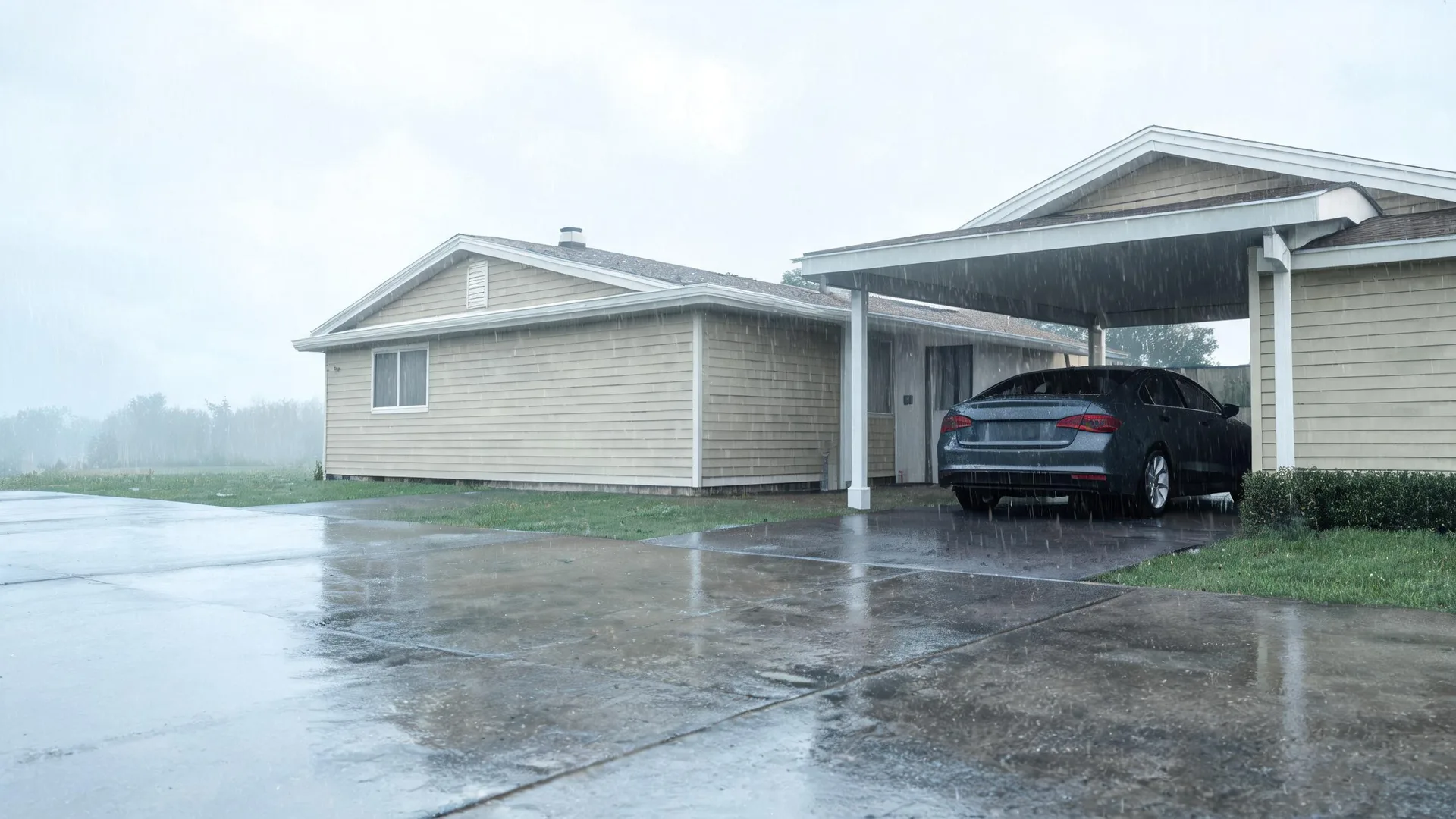
What a slow insurer is usually waiting on
Insurers often slow down a claim because they're still deciding who was at fault, or because they're waiting on a police report, photos, or a statement from their own driver. If the accident report is incomplete or the other driver disputes what happened, the claim can sit until that gets resolved.
Ask the other insurer directly what they're waiting on and from whom. If they're waiting on something from you, like photos or a repair estimate, sending it promptly removes one excuse for delay. If they're waiting on their own insured driver, that's on them, and you can ask them to put the delay and the reason for it in writing.
Keep a record of every call and letter, with dates. If you end up filing a complaint with your state's insurance department or pursuing the claim through small claims court, that record is what you'll rely on.
Questions people ask about this
Can I sue the other driver's insurance company for taking too long?
You generally can't sue the insurer directly in most states, since you're not their policyholder. You can sue the driver who caused the accident, and your state's insurance department may also take complaints about delayed claims handling. Ask your own insurer or the state department what applies where you live.
Will filing through my own insurance raise my rates if the accident wasn't my fault?
It depends on your insurer and your state. Many insurers won't raise your rate for an accident that's clearly not your fault, especially once they recover the cost from the other driver's insurer. Ask your agent directly how your company handles not at fault claims before you decide.
How long can an insurance company legally wait to pay a claim?
This is set by state law and varies by state, so there's no single answer. Your state's insurance department can tell you the specific deadline that applies, and whether the delay you're experiencing has already crossed it.
What do I do if the other driver's insurer denies the claim entirely?
Ask them in writing for the specific reason for the denial, since insurers are generally required to explain it. From there, you can file an appeal with that insurer, file a complaint with your state's insurance department, or pursue the claim through your own collision coverage if you have it.
Should I get a lawyer if the claim is taking too long?
It depends on how much is at stake and how long the delay has gone on. For a routine repair claim, your own insurer or a complaint to the state department is often enough. For a larger claim involving injuries or a serious dispute over fault, talking to a lawyer before you accept any settlement is worth considering.
See what your own coverage would mean for a claim like this.
Pull out your policy and check whether you have collision coverage and what your deductible is. Call your own insurer this week and ask them to open a claim, even if the other driver was at fault, and ask how their subrogation process works. Keep a written log of every call you've made to the other insurer, with dates and names. If your state has a deadline for insurers to respond to claims, ask your state's insurance department what it is and whether it's already been missed. If the amount at stake is significant, ask a lawyer what your options are before you sign anything the other insurer sends you.