What Is the Biggest Issue When Driving at Night
Reduced visibility is the core problem at night, and aging eyes make the effects of that harder to compensate for.
Free to compare
Poor visibility is the biggest issue
At night, your eyes rely on contrast and light that simply isn't there in the same way it is during the day. Headlights create glare, road edges and pedestrians are harder to pick out, and your depth perception and reaction time both suffer compared to daylight driving.
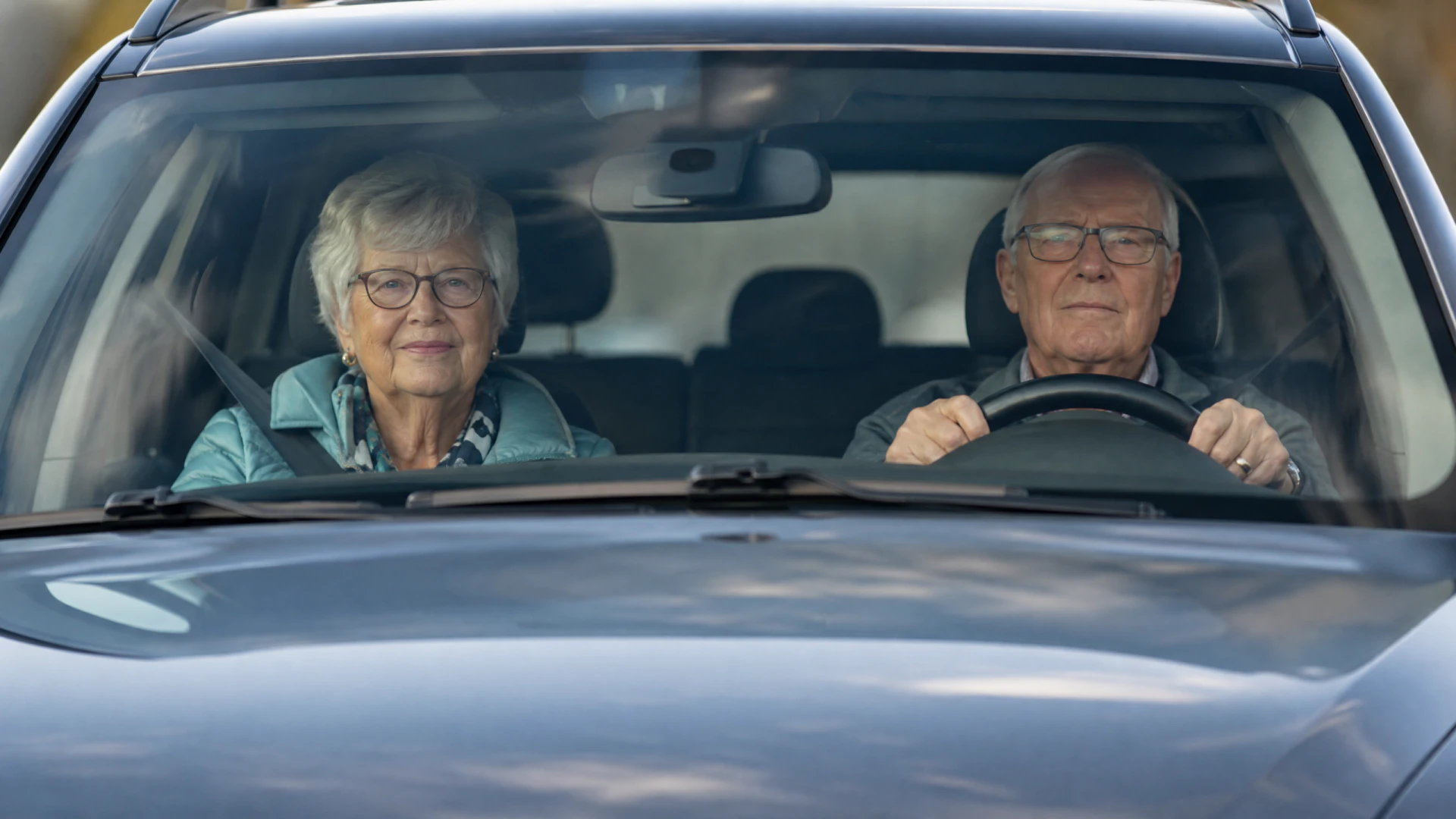
For an older driver, this matters more because the eye's ability to adjust to low light and recover from glare tends to decline with age. Some of this comes down to normal aging in the eye itself. Some of it depends on whether you're due for an updated prescription or have a condition like cataracts that makes glare worse.
Your vision and how recently it's been checked
The single biggest thing that changes your night driving risk is the current state of your eyesight, not your age on its own. Two drivers of the same age can have very different night vision depending on whether they wear the right prescription and whether any eye conditions are being treated.
Cataracts are common with age and they scatter light, which makes oncoming headlights feel much brighter and harder to see past. If you haven't had an eye exam recently, that's the first thing to check before deciding how much night driving still makes sense for you.
Some states require a vision test at renewal, and some require it more often once a driver reaches a certain age. Your state's licensing agency sets that rule, so check with them to find out what applies to you and when your next test is due.
If glare or dim conditions have started to bother you more than they used to, that's worth mentioning to your eye doctor specifically. It can point to something correctable, like an updated lens coating or a cataract that's ready to be addressed.
What people get wrong about night driving risk
A common mistake is assuming that slowing down solves the visibility problem. Slower speeds help with reaction time, but they don't fix the underlying issue, which is that you simply can't see as far or as clearly as you could in daylight.
Another mistake is treating all night driving the same. A quiet, well-lit route near home is a different risk than an unfamiliar highway with oncoming traffic and no streetlights. It's worth being honest with yourself about which kind of night driving you're actually doing.
People also underestimate how much their headlights and windshield matter. Cloudy or pitted headlight lenses throw less light on the road, and a windshield with scratches or a film of grime scatters oncoming light right back at you. Both are things you can check and fix yourself.
Finally, some drivers wait for a near miss before changing their habits, when the better approach is to notice early signs, like avoiding night trips you used to make without thinking twice, and treat that as useful information rather than something to push past.
Questions people ask about this
Does night driving affect car insurance rates?
Your insurer sets rates based on your overall driving record and risk profile, not specifically on how often you drive at night. If reduced night vision leads to an incident or a citation, that could affect your record the way any other incident would. Ask your insurer directly if you're unsure how a specific situation would be treated.
What eye conditions make night driving harder?
Cataracts, glaucoma, and macular degeneration are among the conditions that can make night driving more difficult, mainly because they affect how the eye handles contrast and glare. An eye doctor can tell you whether any of these are present and how they might be affecting your night vision specifically. This is worth raising at a routine exam even if you haven't noticed major changes yourself.
Should older drivers avoid driving at night?
Whether to limit night driving depends on your own vision, reflexes, and comfort level, not on age alone. Some older drivers have no trouble at night well into their later years, while others notice changes earlier. A recent eye exam and an honest look at your own experience behind the wheel after dark are the best guides.
Do headlights need to be replaced as they get older?
Headlight lenses can cloud or yellow over time, which reduces how much light reaches the road even if the bulbs themselves are fine. This is something a mechanic can check during routine maintenance. Replacing or restoring cloudy lenses is often a simple fix that improves visibility at night.
Can a vision test affect my driver's license renewal?
Some states require a vision test at renewal, and the requirements can depend on your age or how long it's been since your last one. Your state's licensing agency sets the exact rule, so check with them directly to find out what's required for your next renewal and what happens if your vision doesn't meet the standard.
If your vision or driving habits have changed, it's worth seeing how that compares across insurers.
Schedule an eye exam if it's been a while, and ask specifically about glare sensitivity and night vision, not just your general prescription. Check with your state's licensing agency to find out if a vision test is required for your next renewal and when that's due. Have a mechanic check your headlights and windshield for cloudiness or pitting that could be cutting down your visibility. Think honestly about which night trips still feel comfortable and which ones you've started avoiding, since that's useful information either way. When you're ready, compare how different insurers look at your situation so you know your options before your next renewal arrives.