What Time of Day Is the Safest to Drive for Seniors
Mid-morning to mid-afternoon tends to be easiest on the eyes and the nerves, because the light is steady and the roads aren't as crowded or as dark.
Free to compare
Late morning through early afternoon is generally the safest window
For most older drivers, the stretch from around mid-morning to mid-afternoon is the easiest time to be on the road. The sun is higher, so there's less glare than at dawn or dusk, and traffic hasn't built up into the evening rush.
This isn't a rule written anywhere, it's just when the conditions that give older drivers the most trouble, like glare, low light, and heavy traffic, are the least present. Night driving and the hour around sunset are harder for most people as eyesight changes with age, so avoiding those times when you can make the drive easier regardless of how you're insured.
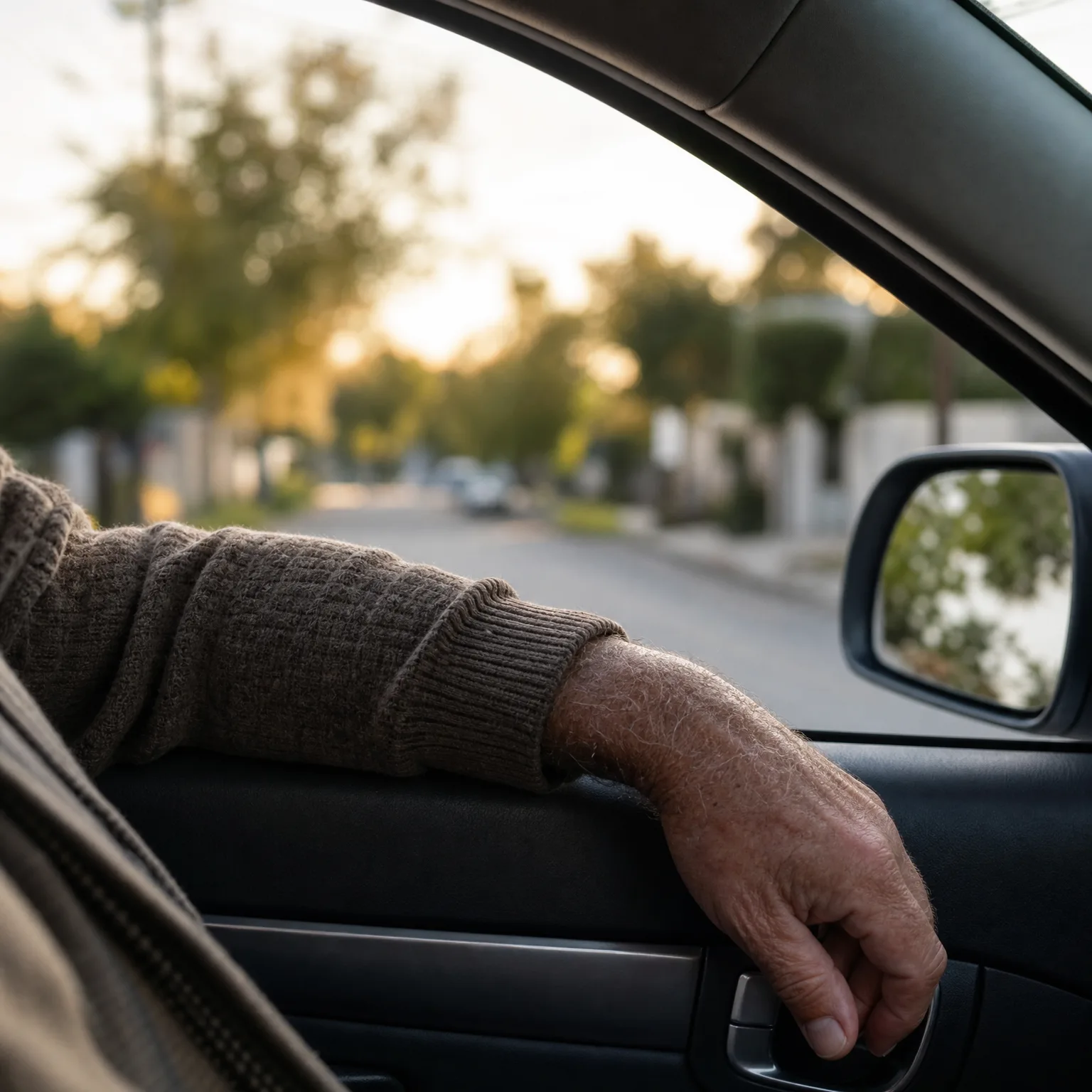
Your own eyesight is the biggest factor, not the clock
The reason time of day matters so much is that aging eyes take longer to adjust between light and dark, and glare scatters more than it used to. That's a vision change, not a schedule problem, so the right question is how your eyes handle specific conditions rather than what time it is.
If you notice headlights at night are harder to deal with than they used to be, or that driving into a low sun leaves you squinting more than a younger driver next to you would, that's worth mentioning at your next eye exam. Some vision changes that affect night and glare sensitivity can be treated or corrected.
If your state requires a vision test to renew your license, how you do on that test can also affect what's on your license, including whether it's restricted to daylight hours. That's set by the state, so check with your state's DMV or licensing agency for what their vision standard requires and what happens if you don't meet it.
Your insurer may also ask about your driving habits, including whether you drive at night, when you apply or renew. Answer honestly. It helps them quote your policy accurately rather than working from assumptions.
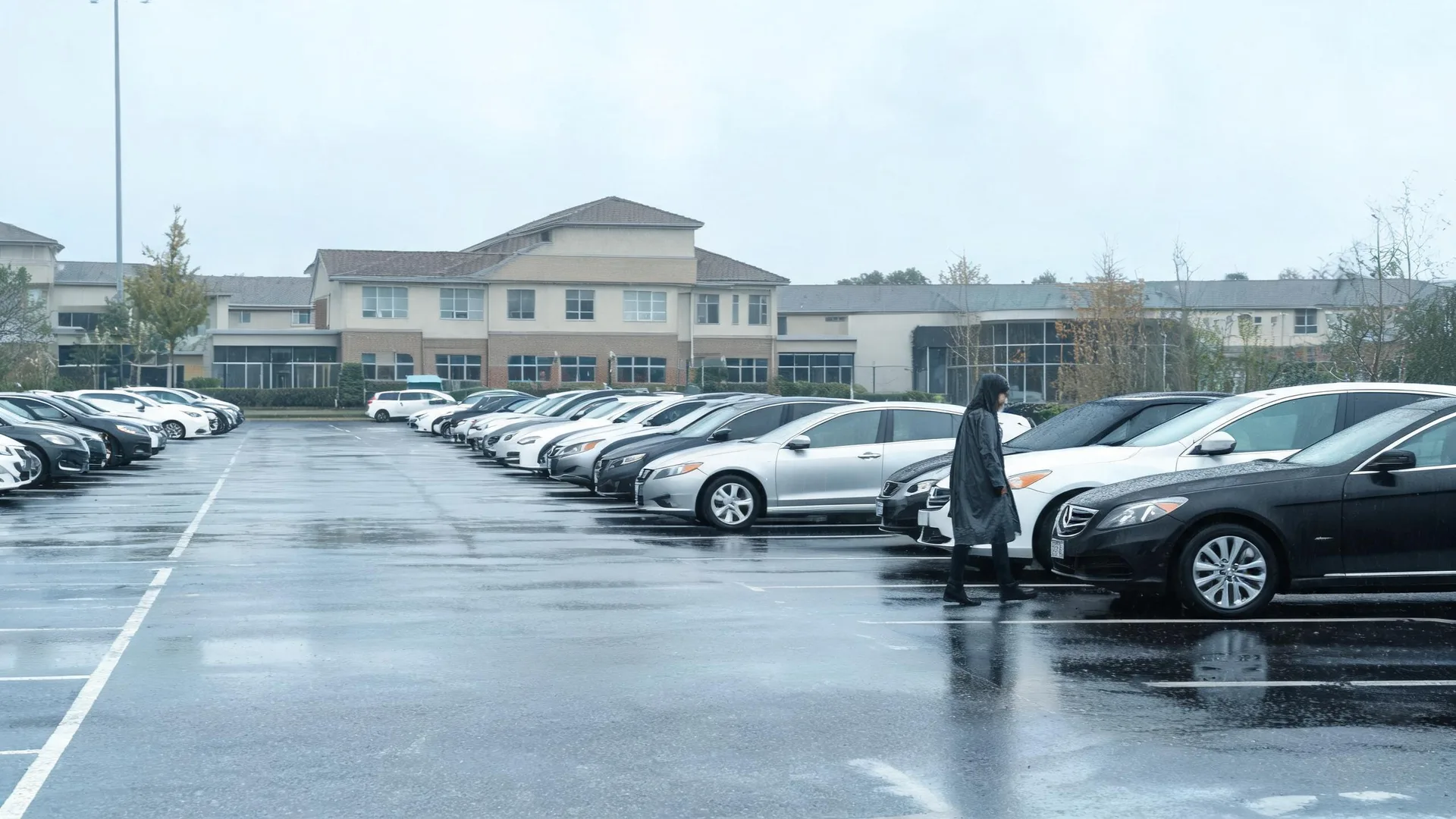
Traffic patterns matter as much as light
Rush hour brings a different kind of risk than darkness does, more cars, more lane changes, more sudden braking. If merging and quick decisions have gotten harder, avoiding the heaviest traffic times can matter as much as avoiding night driving.
Weekday mid-morning to early afternoon tends to have both good light and lighter traffic, which is part of why it's often recommended as the easiest window. Weekends can be different depending on where you live, with errands and events sometimes filling that same stretch.
It's also worth thinking about your specific routes, not just the time. A route with a difficult left turn across traffic or a highway merge might be worth rerouting or timing differently, even if the hour itself is otherwise a good one.
If you're unsure whether your driving fits your policy, especially if you've cut back on night or highway driving, it's worth asking your insurer how they classify your usage. Some insurers offer lower rates for drivers who log fewer miles or drive mostly during daylight, but that depends on the insurer, so ask directly rather than assuming.
Questions people ask about this
Does my insurance cost more if I mostly drive at night?
It depends on the insurer. Some ask about typical driving times or conditions when you apply, and factor that into your rate, while others focus more on mileage and your driving record. Ask your insurer directly how they weigh time of day, if at all.
Can my license be restricted to daytime driving only?
Yes, this is possible in many states, usually based on the results of a vision test or a doctor's note. The specific rules for who gets a daylight-only restriction and how it's decided are set by your state's licensing agency, so check with them for the details that apply to you.
What vision problems make night driving harder as you get older?
Common changes include needing more light to see clearly, more sensitivity to glare from headlights, and slower adjustment when moving between bright and dark areas. An eye doctor can check for these specifically and let you know if anything can be corrected or treated.
Should I tell my insurer if I've started avoiding night driving?
It's worth mentioning, since insurers sometimes ask about driving habits and may adjust your policy based on your answers. It also helps make sure your coverage reflects how you actually drive. Ask your insurer whether this affects your rate or your policy terms.
Are there safe driving courses that help with night vision or glare?
Some defensive driving and mature driver courses cover adjusting to vision changes, including glare and night driving, as part of the material. Completing one may also qualify you for a discount with your insurer, but you'll need to check with them and usually send a certificate once you finish.
If your driving habits have changed, see how that shows up in your quotes.
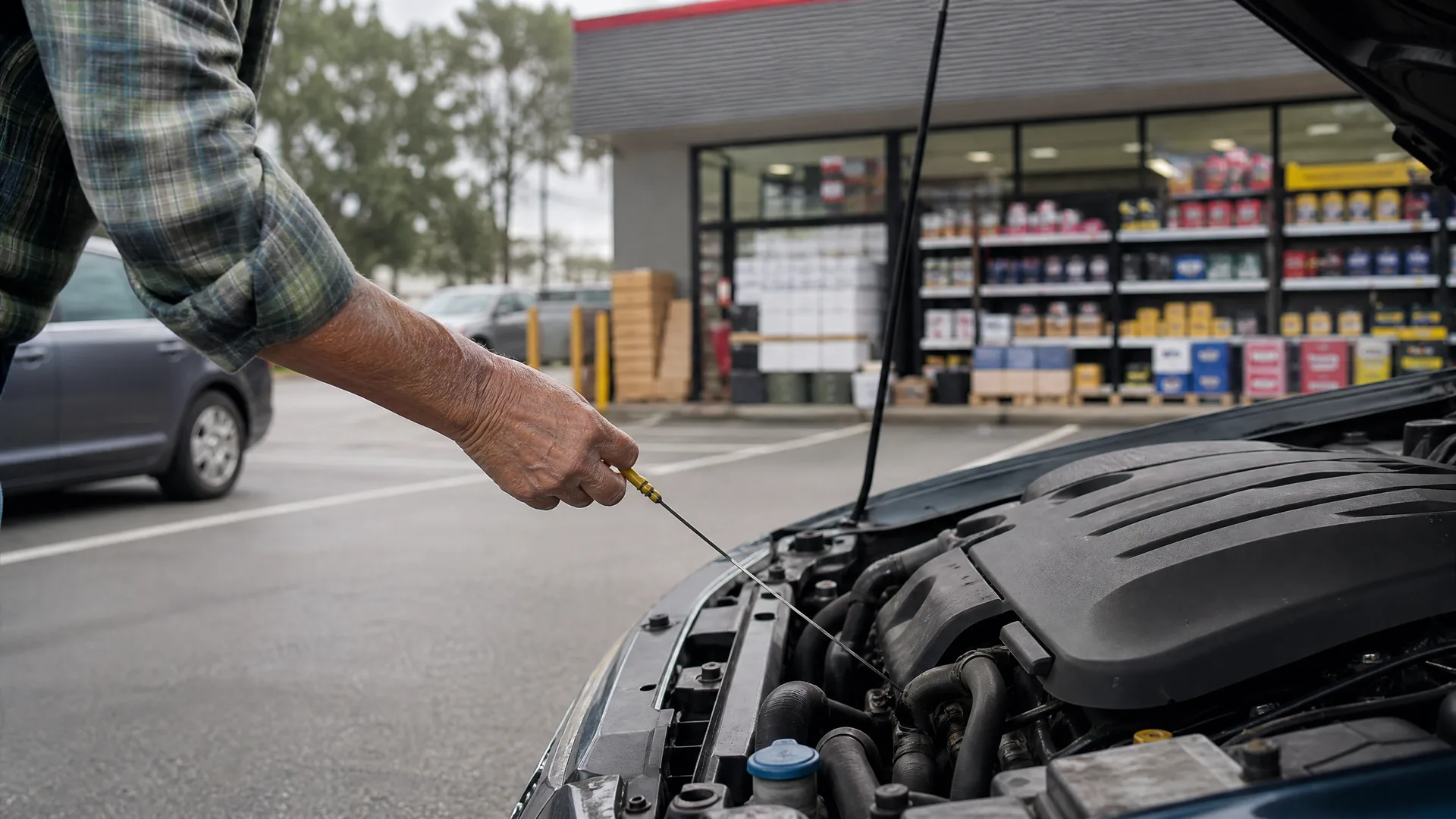
Pay attention this week to which drives feel harder, whether it's the glare on your way home around sunset or merging during a busier hour, and write down the specific roads and times. Bring that list to your next eye exam so your doctor can check for anything correctable. If your license is up for renewal soon, check with your state's DMV about what their vision test involves and whether a restricted license is a possibility worth discussing. Call your insurer and ask how they classify your driving, including whether driving mostly in daylight affects your rate. Have your mileage and typical driving times ready when you ask, since that's the information they'll need to give you a real answer instead of a guess.