What to Do If You Back Into Something in a Parking Lot
Check on the other vehicle or property, exchange information if you can, and report it to your insurer even if the damage looks small.
Free to compare
Stop, document, and decide whether to call your insurer
Stop the car and look at what you hit. If it's another vehicle, leave a note with your name and phone number if the owner isn't there, or wait for them if you can. Take photos of both vehicles and the spot where it happened before you move your car.
Whether you need to report it depends on how much damage there is and whether anyone else was involved. A scrape on a shopping cart corral is different from a dent in someone else's bumper. If another person's property was damaged, your insurer will likely need to know, because that person can file a claim against your policy whether or not you report it first.
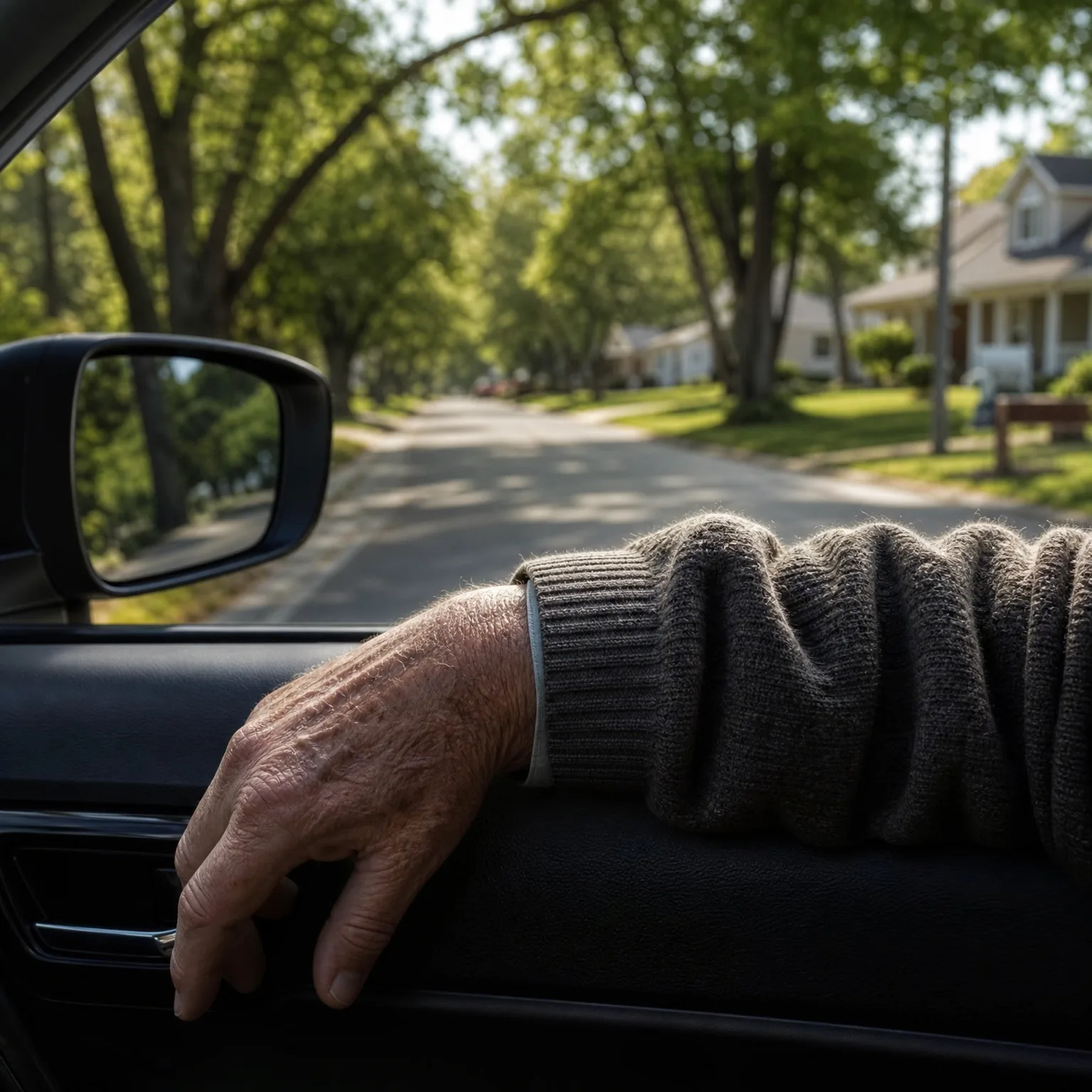
Whether the other party knows who you are changes everything
If you hit an occupied car or the owner comes out while you're still there, exchanging insurance information on the spot is the clean way to handle it. You give your name, your insurer, and your policy number. They do the same. Neither of you has to guess later about what happened.
If the car is empty, look for a way to identify the owner, a parking permit, a name on the windshield, anything. Leaving a note with your contact information is what a reasonable person does, and in many states it's what the law requires after hitting an unattended vehicle. Driving off without doing this can turn a minor fender bender into a hit and run, which is a far more serious problem than a claim on your policy.
If you caused damage to a cart corral, a light pole, or some other piece of property, look for who owns it, the store or the lot operator, and let them know. Property owners can and do pursue drivers who damage their fixtures and leave.
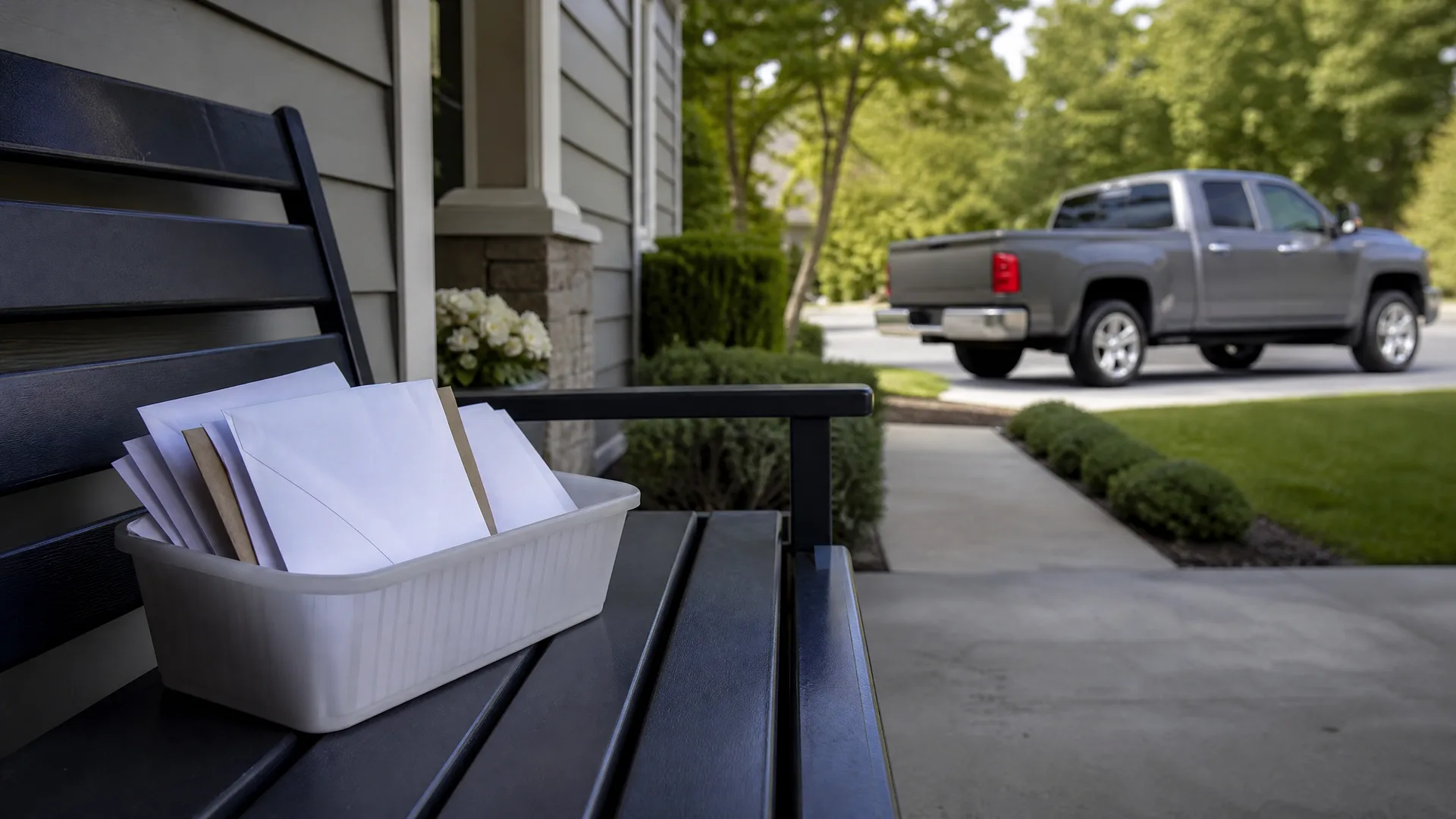
Reporting it is usually better than waiting to see if it comes up
Many policies require you to report accidents within a certain window, regardless of who was at fault or how minor it seemed. If the other driver files a claim weeks later and your insurer finds out you never mentioned it, that gap itself can be a problem, separate from the cost of the damage.
A report doesn't automatically mean a rate increase. Your insurer will look at the circumstances, including whether you were at fault, before deciding how it affects your policy. Some policies include accident forgiveness for a first incident, but whether that applies to you is something only your insurer can tell you.
If the damage is small enough that you'd rather pay for it yourself than file a claim, you can still call your insurer to ask how it would be handled if you did, without committing to a claim on that call. That gives you real information instead of a guess.
Questions people ask about this
Do I have to call the police for a parking lot accident?
It depends on your state and on how much damage there is. Some states require a police report above a certain damage threshold or if anyone is hurt, even in a parking lot. Check with your local police non-emergency line or your state's DMV site if you're not sure whether this incident qualifies.
Will backing into something raise my insurance rate?
It can, but not always, and your insurer is the only one who can tell you how this specific incident will be treated. Fault, your claims history, and whether your policy has accident forgiveness all play a role.
What if I can't find the owner of the car I hit?
Leave a note with your name and phone number in a visible spot, like under the wiper, and take photos showing the note and the damage. In many states this satisfies your legal duty when the owner isn't present.
Should I file a claim for a small dent I could pay for myself?
That depends on the cost of the repair compared to your deductible and how a claim might affect your rate. Call your insurer and ask how they'd handle it before deciding, since that's information only they can give you.
Does it matter if the accident happened on store property instead of a public road?
Not for insurance purposes. Your policy covers accidents in parking lots the same way it covers accidents on the road. Local reporting rules can differ depending on whether the lot is public or private, so that's worth checking if you're deciding whether to call the police.
If this has you wondering whether your current policy and rate still make sense, it takes a few minutes to see what else is out there.
Write down what happened while it's fresh: the time, the location, and what you hit. If another vehicle or person's property was involved, get their contact information or leave yours. Photograph the damage and the scene before you drive away. Call your insurer this week, even if you're not sure you'll file a claim, and ask how they'd handle it and whether it needs to be reported under your policy. Keep any note, photo, or claim number somewhere you can find it later.