Are You Covered When Driving Someone Else's Car
In most cases, the car's own insurance pays first, but only if the owner let you drive it and your own policy fills in the gaps.
Free to compare
Usually yes, if the owner said you could drive it
Most car insurance policies follow the car, not the driver. That means if the owner gave you permission to drive, their policy is typically the one that responds first if something happens, even though you were behind the wheel.
Your own policy still matters. If the owner's coverage isn't enough to pay for what happened, your policy can often step in behind it. This is why it helps to know what both policies actually cover before you borrow a car, not after.
Whether the owner actually gave you permission
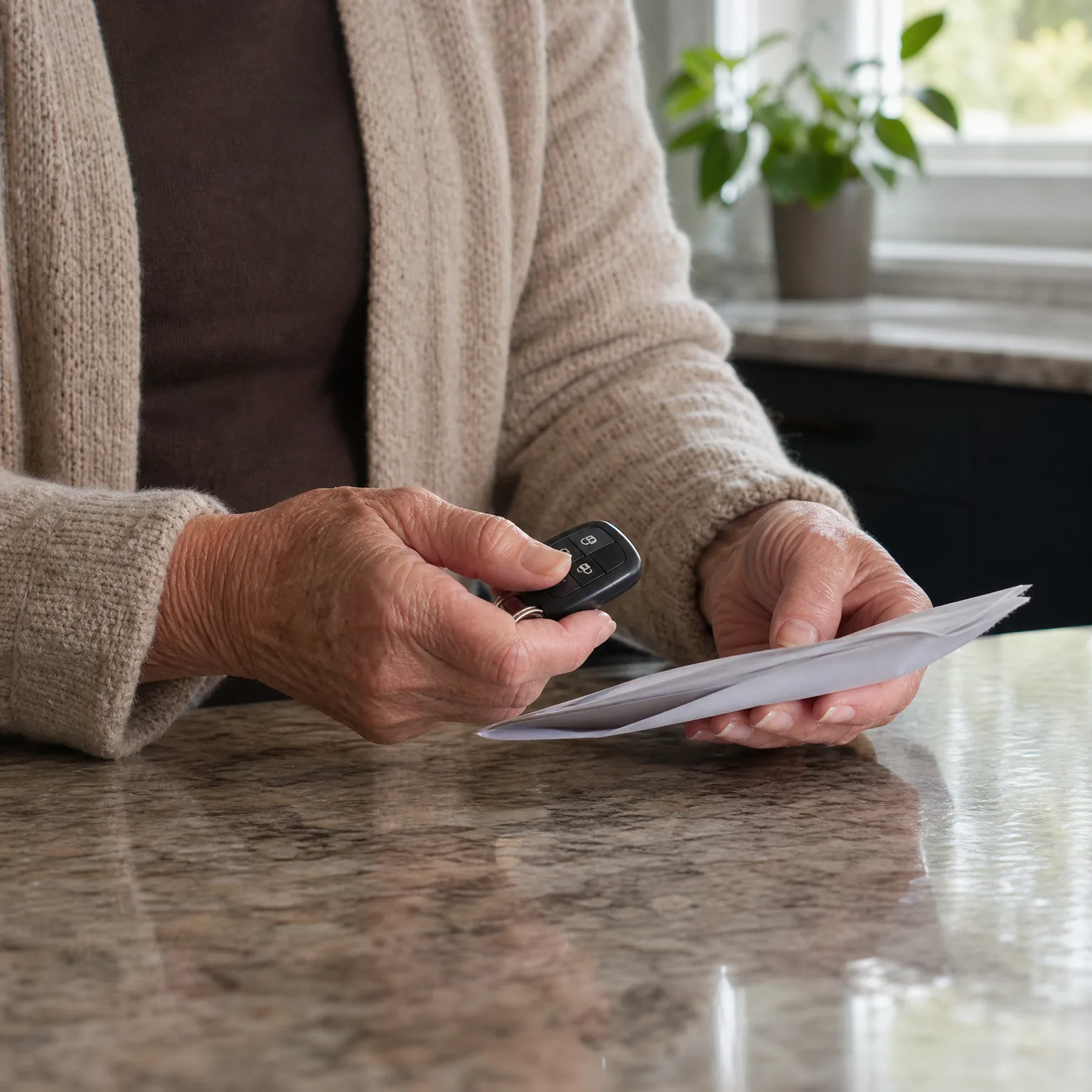
Permission is the first thing an insurer checks. If the owner handed you the keys and said go ahead, that counts. If you took the car without asking, or used it in a way they didn't agree to, like a long trip they never approved, the owner's insurer can refuse to pay.
Permission doesn't have to be in writing. A pattern of letting you drive the car counts too. But if you're borrowing a car for the first time, or for something unusual, it's worth asking the owner to say clearly that it's fine, and for how long.
Some policies also name specific drivers and exclude everyone else. If the owner's policy has a named driver exclusion, their insurer may not cover you at all, regardless of permission. The only way to know is to ask the owner to check their policy or call their insurer.
What your own policy does once the owner's coverage is used up
If the cost of an accident is higher than what the owner's policy pays, your own policy can cover the rest, but only up to what your policy allows. This is why having liability coverage that matches or exceeds what you'd want for yourself, even in someone else's car, makes a difference.
Some policies include something that extends your own coverage to cars you don't own. Others don't. There's no way to assume this is included. Check your policy or ask your insurer directly whether driving a borrowed car is treated the same as driving your own.
If you drive someone else's car often, like a family member's car you use regularly, some insurers expect that car to be listed on your own policy instead. Ask your insurer how they'd view a car you drive regularly but don't own.
Questions people ask about this
Does my insurance go up if I drive someone else's car and get in an accident?
That depends on whose policy ends up paying. If the owner's insurer pays the claim, it's typically their policy that's affected, not yours. If your policy has to pay because the owner's coverage ran out, the claim can show up on your record too. Ask your insurer how they handle claims where you weren't the one who owned the car.
What happens if the car I borrowed isn't insured at all?
If the owner has no insurance, there's nothing for their policy to pay. Your own policy may still help if it includes coverage for uninsured vehicles, but this isn't automatic. Before borrowing a car, it's reasonable to ask the owner whether their insurance is current.
Am I covered if I drive a rental car instead of a friend's car?
Rental cars work differently than borrowing from a friend. Rental companies often offer their own coverage at the counter, and your personal policy may or may not extend to a rental. Check with your insurer before you rent, since the answer depends on what your policy says about rentals specifically.
Can the car owner's insurer refuse to pay because of my age or driving record?
An insurer prices and underwrites a policy based on who's listed on it, but coverage for a permitted driver generally isn't denied because of that driver's age. Still, some policies have exclusions for specific drivers or situations. The owner should check their policy, or ask their insurer directly, if they're unsure.
Do I need my own car insurance if I only drive other people's cars?
Even if you don't own a car, having your own policy, sometimes called a non-owner policy, can matter. It can provide coverage when the car owner's policy isn't enough, and in some states it helps keep your driving record and license in good standing. Ask an insurer what a non-owner policy would cover in your situation.
If you want to know exactly where you'd stand before you borrow a car again, it helps to compare what different policies actually cover.

Before you next borrow a car, ask the owner directly whether their policy covers permitted drivers without exclusions, and ask your own insurer whether your policy extends to cars you don't own. Have both policy numbers ready so each insurer can give you a real answer instead of a general one. If you drive someone else's car often, ask your insurer whether a non-owner policy or being added to that car's policy makes more sense for you. Write down what each insurer tells you, since this is the kind of thing worth having in writing before anything happens, not after.