If I Drive Someone Else's Car, Whose Insurance Pays
In most cases the car's own insurance pays first, and your policy only matters if that coverage runs out.
Free to compare
The car's policy pays first
When you drive someone else's car with their permission, their insurance is the primary coverage for damage or injuries from that accident. Insurance follows the car, not the driver, so the policy attached to the vehicle is the one that responds first.
Your own policy can still come into play. If the other car's limits aren't enough to cover the claim, your policy may step in to cover the rest, depending on what coverage you carry. If you don't own a car or carry a policy at all, what happens next depends on the car owner's insurer and the state you're in, so that's worth asking about directly.
Whether you had permission to drive the car
Permission is what makes this work the way most people expect. If the owner let you borrow the car, their insurer generally treats you as a covered driver for that trip, even though you're not the one listed on the policy.
If you took the car without asking, or used it in a way the owner didn't agree to, the insurer can treat the claim differently, and coverage isn't guaranteed. This matters more than people think when the car belongs to an adult child, a friend, or someone outside the immediate household.
If you drive a particular car regularly, even a parent's or a friend's, ask the owner whether their insurer wants you added to the policy. Some insurers expect that once borrowing becomes routine, and leaving it off can cause problems right when a claim happens.
Ask the car's owner to check their policy for how it defines permissive use. The wording varies by insurer, and it's the kind of thing worth knowing before you ever need it, not after.
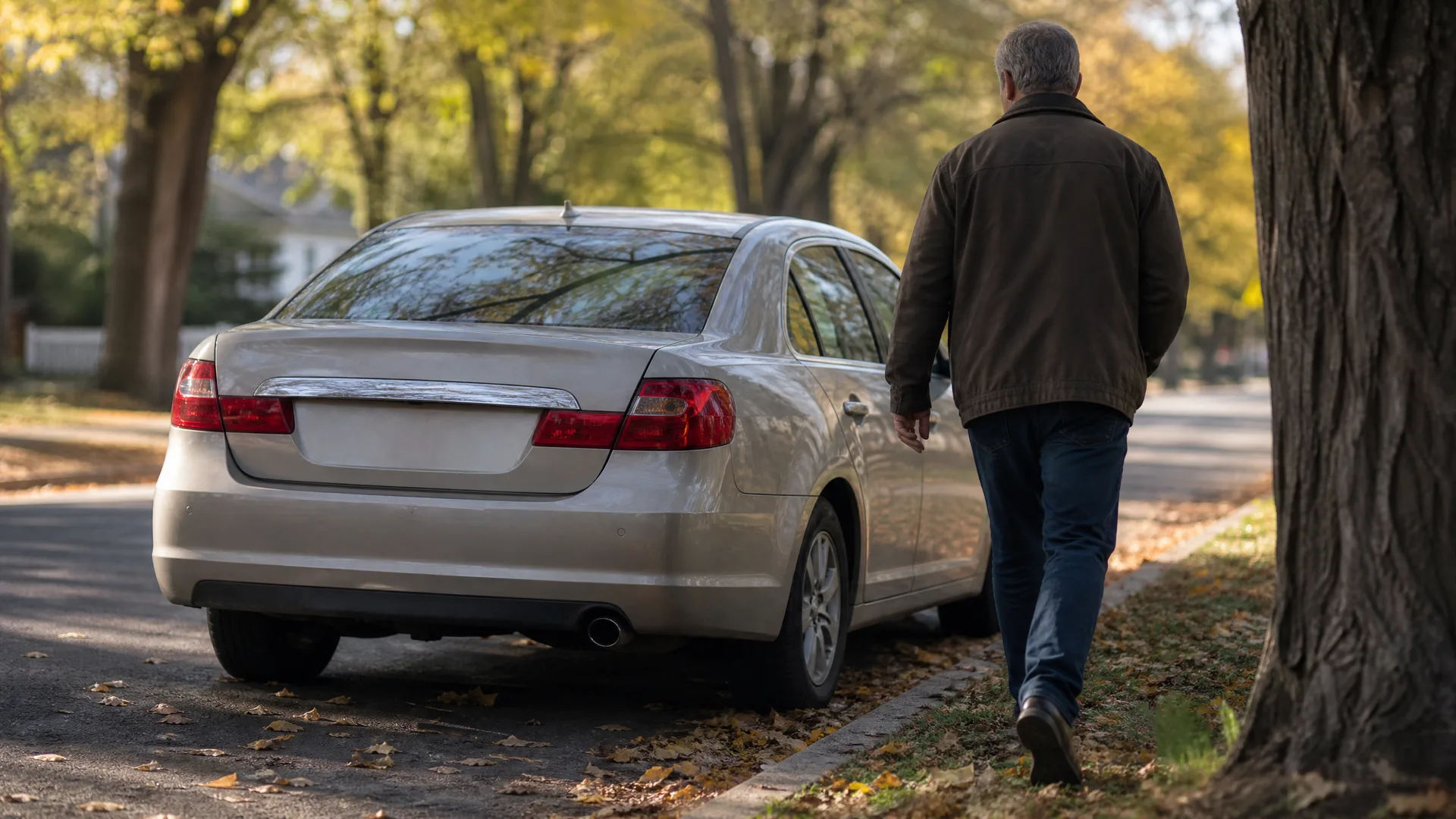
What your own policy does once it's involved
If the accident costs more than the car owner's policy covers, your own auto policy can add coverage on top, but only if you carry one and only up to your own limits. Someone without their own policy has nothing to fall back on here.
Your policy can also matter in other ways. If you carry higher liability limits than the car's owner, or an umbrella policy, those can extend coverage for a serious accident even though you weren't driving your own car.
A claim like this can still affect you going forward. Depending on your insurer, being in an at-fault accident while driving someone else's car can show up on your own driving record and affect your future rates, even if their insurer paid the claim.
If you drive other people's cars often, it's worth asking your own insurer how they'd treat a claim like this, since insurers don't all handle it the same way.
Questions people ask about this
Does my insurance go up if I crash someone else's car?
It depends on your insurer and whether you were found at fault. Some insurers count an at-fault accident against your record even if their claim was paid by the car owner's policy, so it's worth asking your insurer directly how they handle this.
Do I need my own car insurance to borrow someone's car?
Not necessarily, since the car owner's policy is usually primary for anyone driving with permission. But without your own policy, there's nothing to cover costs beyond the owner's limits, so ask the owner what their coverage includes before you rely on it.
What happens if the car owner doesn't have insurance?
If the car has no insurance behind it, you could be left responsible for damage or injuries out of pocket. Check that the car you're borrowing is actually insured before you drive it, not after something happens.
Can I be added to someone else's car insurance temporarily?
Some insurers allow a driver to be added for a short period, but this varies by company. Ask the car owner's insurer directly whether temporary coverage like this is something they offer.
Does a rental car work the same way as borrowing a friend's car?
Not exactly. Rental agreements usually involve their own insurance options and rules set by the rental company, separate from how personal car lending works. Check the rental contract and your own policy's rules on rental cars specifically.
See what your own policy would cover if you're ever behind the wheel of someone else's car.
Before you next borrow a car, ask the owner two things: whether you're covered as a permissive driver and what their liability limits are. Then check your own policy, if you have one, to see whether it extends coverage when you drive a car you don't own. If you borrow a particular car often, ask the owner's insurer whether you should be added to the policy instead of relying on permissive use each time. Keep a note of what you're told, since this is the kind of answer that's easy to forget until you need it.