What Insurance Allows Me to Drive Other People's Cars
In most cases it's the car owner's own policy, with permission to drive, that covers you behind the wheel of someone else's car.
Free to compare
It's usually the car's policy, not yours
Car insurance follows the car more than it follows the driver. If a friend or family member lends you their car and you have their permission to drive it, their policy is typically the one that responds first if something happens.
Your own policy can still matter. Some policies extend a version of your coverage to a car you're driving with permission, often at a lower level than what you carry on your own car. Whether that happens, and how much it covers, depends on your insurer and the wording of your policy, so the only way to know for certain is to ask them directly.
Whether the owner gave you permission
Permission is the hinge the whole question turns on. If the owner said yes, even informally, you're generally considered a permitted driver and their insurer treats the claim accordingly.
If you take the car without asking, or use it in a way the owner didn't agree to, like for work when they only agreed to a quick errand, their insurer can deny the claim or come back to you for the cost.
It helps to ask the owner plainly what their insurer requires. Some insurers want a driver added to the policy if they'll be using the car regularly, not just once. A one-time loan and a standing arrangement are treated differently.
If you're the one lending your car to someone else, the same logic runs the other way. Your policy is the one on the line, so it's worth knowing who you're comfortable handing the keys to.
What your own insurer requires you to tell them
Some insurers ask you to report if you regularly drive a car that isn't listed on your policy, especially if you borrow it often. Leaving that out can cause a problem later if you ever need to file a claim.
If you drive a parent's or spouse's car often, some insurers prefer that car be added to your policy, or you to theirs, rather than relying on permissive use each time. Ask your insurer how they want this handled before it comes up.
Your driving record follows you regardless of whose car you're in. If you have violations or accidents on your record, that can affect how a claim is handled even when the owner's policy is doing the covering.
None of this is governed the same way everywhere. Rules about permissive use and what has to be disclosed vary by state and by insurer, so check your own policy documents or call your insurer with the specific situation in mind.
Questions people ask about this
Does my insurance still cover me if I drive my son's car?
It can, but his policy is usually the first one that responds since the coverage generally follows the car. Your own policy may offer some backup coverage, but ask your insurer what that would include before you assume it applies.
What happens if I get in an accident driving a borrowed car?
The car owner's insurer typically handles the claim first, assuming you had permission to drive it. Your own insurer may get involved afterward depending on the circumstances, and your driving record can still be affected.
Do I need to be added to someone's insurance to drive their car occasionally?
Usually not for occasional use with permission, but regular use is a different matter. Ask the owner's insurer where they draw that line, since it varies by company.
Can my insurance drop me for driving someone else's car without telling them?
It depends on what your policy requires you to disclose and how often you're driving that car. Some insurers only care if it becomes a regular arrangement rather than a one-time loan, so check your policy's terms.
Will renting a car work the same way as borrowing one from a friend?
Not exactly, since rental companies have their own insurance requirements and often expect you to accept or decline specific coverage at the counter. Your personal policy may extend to a rental car, but that depends on your insurer, so confirm before you decline the rental company's coverage.
See what coverage looks like if you compare policies that fit how you actually drive.
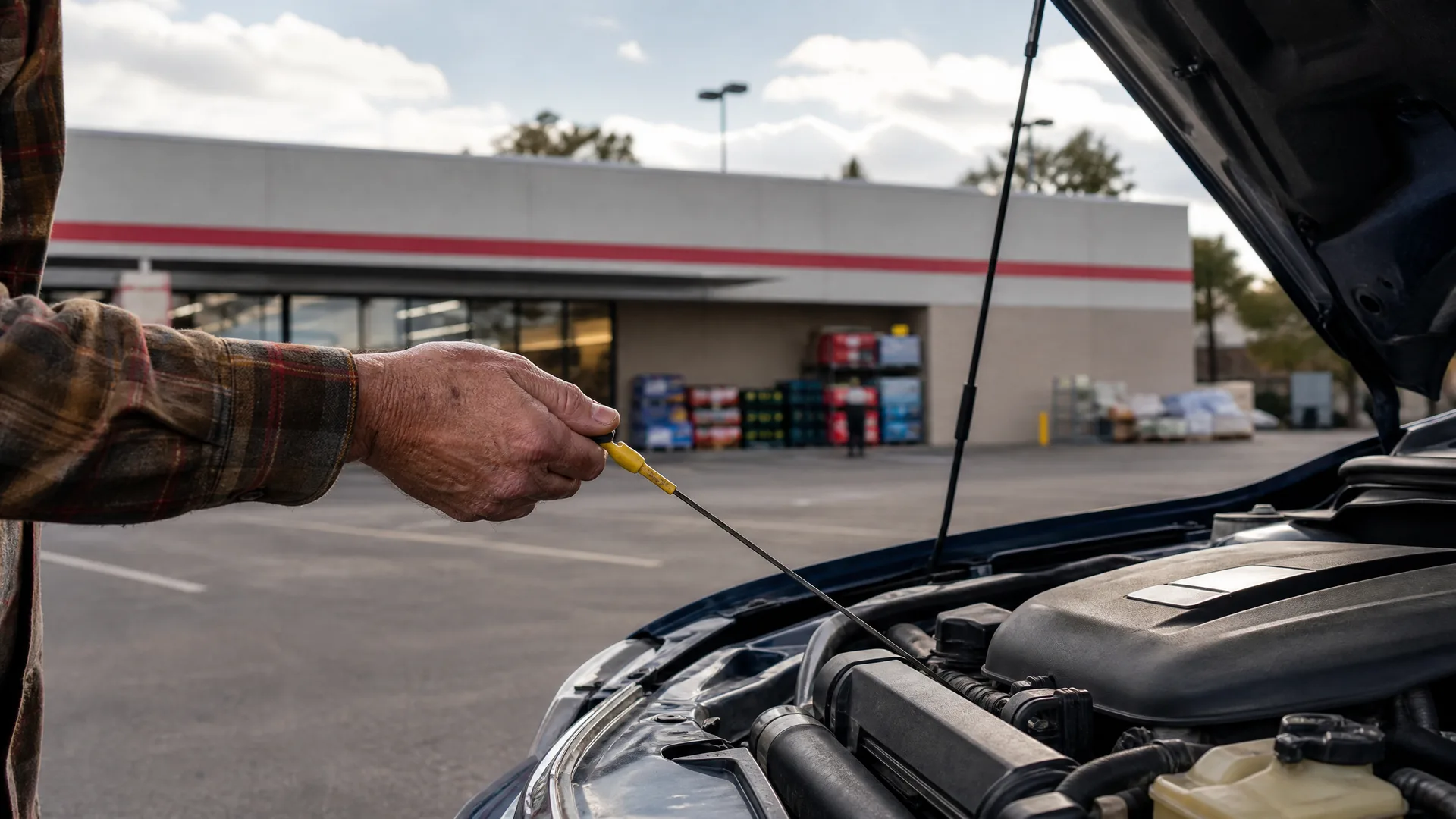
Before you borrow or lend a car again, have a short conversation with the owner about what their insurer requires and whether you're covered as a permitted driver. Call your own insurer and ask directly how your policy treats a car you don't own, including what level of coverage applies and whether you need to report regular use. If you drive a family member's car often, ask both insurers whether it makes more sense to add the car to your policy or add you to theirs. Keep a note of what each insurer tells you, since these answers vary and you may want to refer back to them later.