Does the Area You Live in Affect Car Insurance
Your insurer prices your address, not just you, because claims, theft, and repair costs differ by place.
Free to compare
Yes, your address changes your rate
Insurers price risk by location because claims patterns differ block by block and zip code by zip code. More accidents, more theft, more hail damage, or more expensive body shops in your area all push rates up, even if you've never filed a claim.
How much it matters depends on your insurer. Each company builds its own rating territories and weighs location differently against your age, your driving record, and the car you drive. That's why two insurers can quote very different prices for the same address.
What about your area actually gets priced
Insurers look at claims history for your area, not just crime statistics or how the neighborhood looks. A place with a lot of fender benders in parking lots or a lot of deer strikes will show up in the pricing even if it feels safe to live there.
Weather and repair costs matter too. An area prone to hail, flooding, or wildfire carries a higher cost to insure, and so does an area where auto body work and medical care simply cost more. Two towns an hour apart can have different average repair bills, and that difference shows up in your premium.
Theft and vandalism rates are part of it as well. If your car model is a common target in your area, that affects your rate separately from how safely you drive.
Your exact rating territory is set by your insurer, not by your city or county lines. If you want to know how your specific address is rated, ask your agent what territory you're in and what's driving the number.
What changes if you move
If you move, even within the same state, your rate can shift because you're entering a different rating territory. This catches people off guard when they move to what feels like a quieter or safer place and the premium doesn't drop the way they expected.
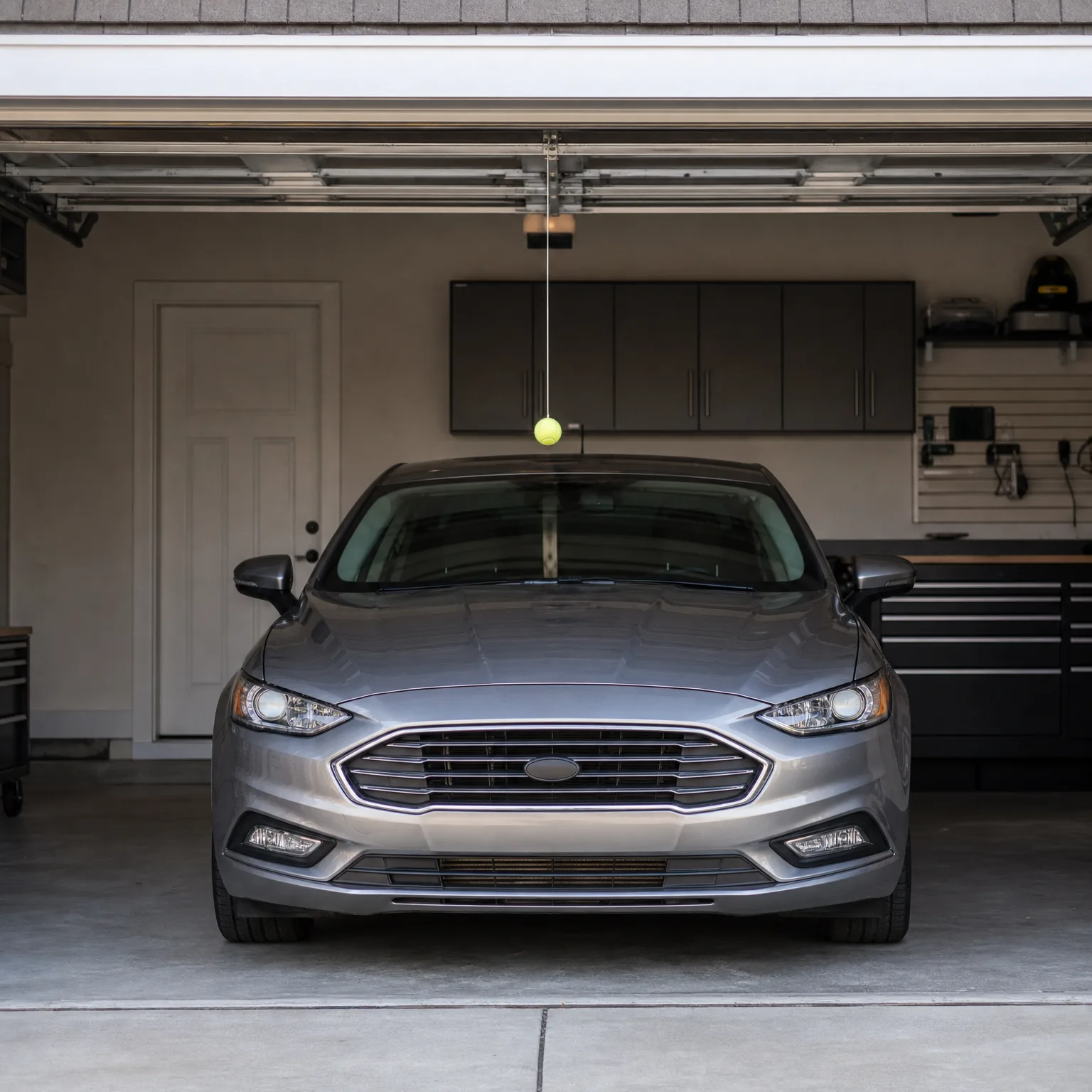
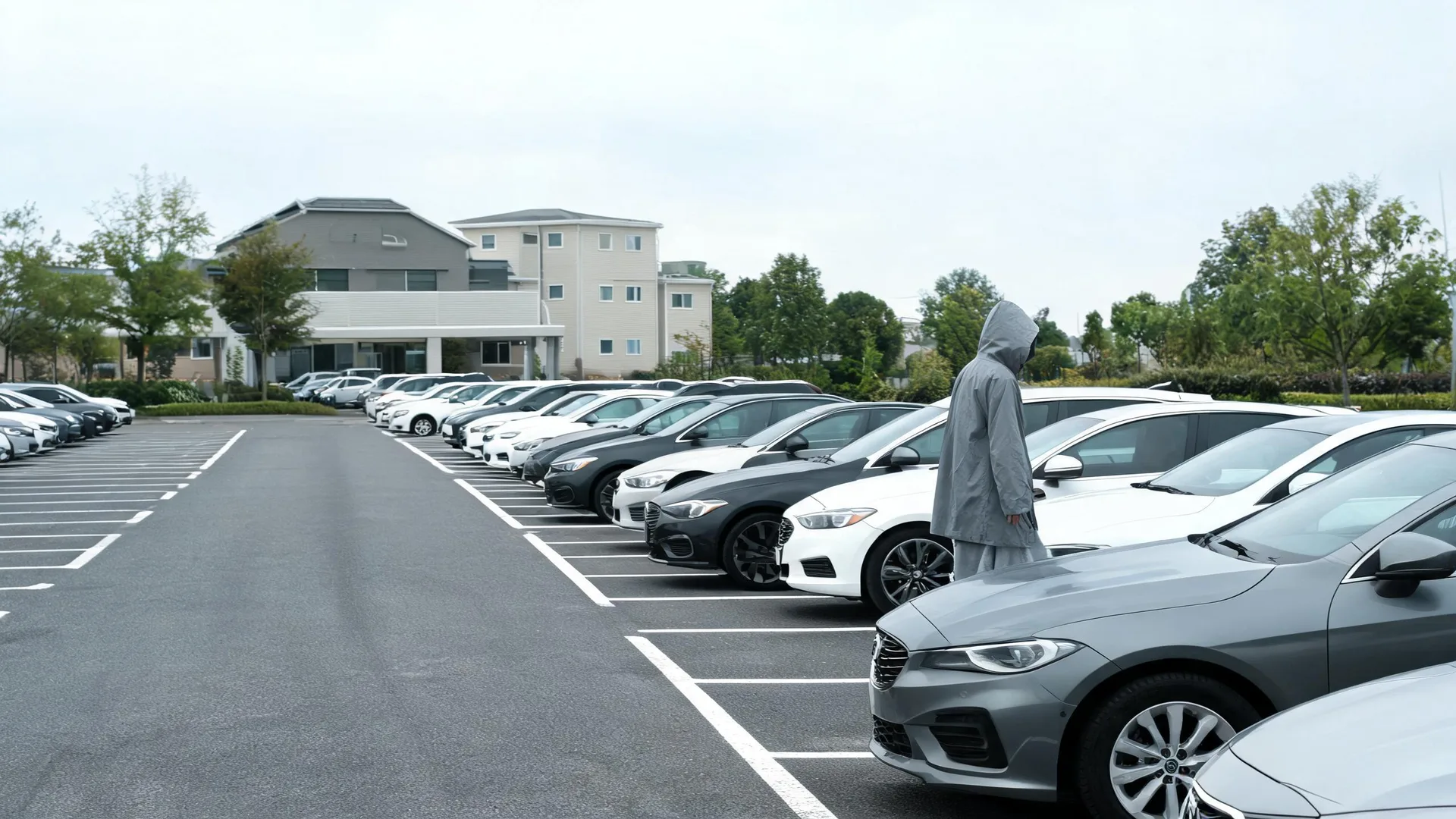
Parking matters as much as the neighborhood. A car kept in a garage overnight is often rated differently than one parked on the street, regardless of the area's reputation.
Commute distance plays into it too. If your new home means driving less, or driving on quieter roads instead of a highway, mention that to your insurer, since some rate your mileage and route type.
If you're moving and want to know the effect ahead of time, ask for a quote at the new address before you move rather than after, so there are no surprises on your next renewal.
Questions people ask about this
Why did my car insurance go up but I didn't move?
Your insurer may have updated its claims data for your area even though you stayed put. Insurers periodically re-evaluate rating territories based on recent accidents, thefts, or weather events in the area, and your renewal can reflect that even without any change on your part. Ask your insurer what changed if your bill jumps and you haven't moved or had a claim.
Does parking on the street raise my insurance?
It can, because a car parked on the street overnight is generally more exposed to theft, vandalism, and weather than one in a garage or driveway. Whether it raises your specific rate depends on your insurer's rules and how they weigh parking location. Tell your insurer where you actually park, since an inaccurate answer on your policy can cause problems if you ever file a claim.
Can I lower my rate by changing my mailing address to a relative's house?
No. Your policy has to list where the car is actually kept, and insurers can investigate or cancel a policy if the listed address doesn't match reality. If you're genuinely moving, update your address with your insurer. If you're not, this isn't a safe way to lower your rate.
Do rural areas always have cheaper car insurance than cities?
Not always. Rural areas often have lower rates of theft and traffic density, but they can also have higher rates of animal collisions, longer response times after an accident, and farther drives to a repair shop, all of which affect pricing. The only way to know for certain is to compare quotes for your specific address.
How do I find out what rating territory I'm in?
Ask your insurer or agent directly, since rating territories are set by each company and aren't public the way zip codes or counties are. Your agent can tell you which territory your address falls into and what factors about that territory affect your premium.
See how your address compares by getting quotes for where you live now.
Pull up your most recent renewal notice and check whether your rate changed since your last move or your last renewal. Call your insurer or agent and ask directly what rating territory your address falls into and what's driving the cost, whether it's claims history, weather, or theft rates in the area. If you're considering a move, ask for a quote at the new address before you sign a lease or close on a house. Mention your actual parking situation, garage, driveway, or street, since that can affect the number too. If the answer still feels too high for your area, compare quotes from a few insurers, since each one rates territories differently and the same address can come back with a noticeably different price.