How Your Zip Code Affects Car Insurance Rates
Insurers set rates by zip code because claims, theft, and repair costs differ block by block, and a mailing address alone can't change that.
Free to compare
Yes, your zip code changes your rate
Insurers group zip codes by how often claims happen there and how much those claims cost. Fewer accidents and thefts in your area usually means a lower rate. More of either pushes it up.
This isn't about who lives there. It's about what happens on those roads: how often cars are stolen, how often they're hit, how much local body shops and hospitals charge to fix the damage. Two drivers with identical records can pay different amounts if one lives a few miles from the other, because the insurer is pricing the zip code as much as the driver.
What your zip code is actually measuring
Insurers look at claims history tied to your zip code, not just yours but everyone's who has been insured there. That includes accident frequency, how often vehicles are stolen or broken into, and how often severe weather causes damage claims in that area.
It also includes cost, not just frequency. A zip code near a city with high repair and medical costs can carry a higher rate than a rural zip code with similar accident numbers, simply because claims there cost more to pay out.
If you've moved, or you're comparing a move, ask any insurer you're getting quotes from how your new zip code compares to your old one on their rating scale. They won't all weigh it the same way, since each insurer builds its own rating territories.
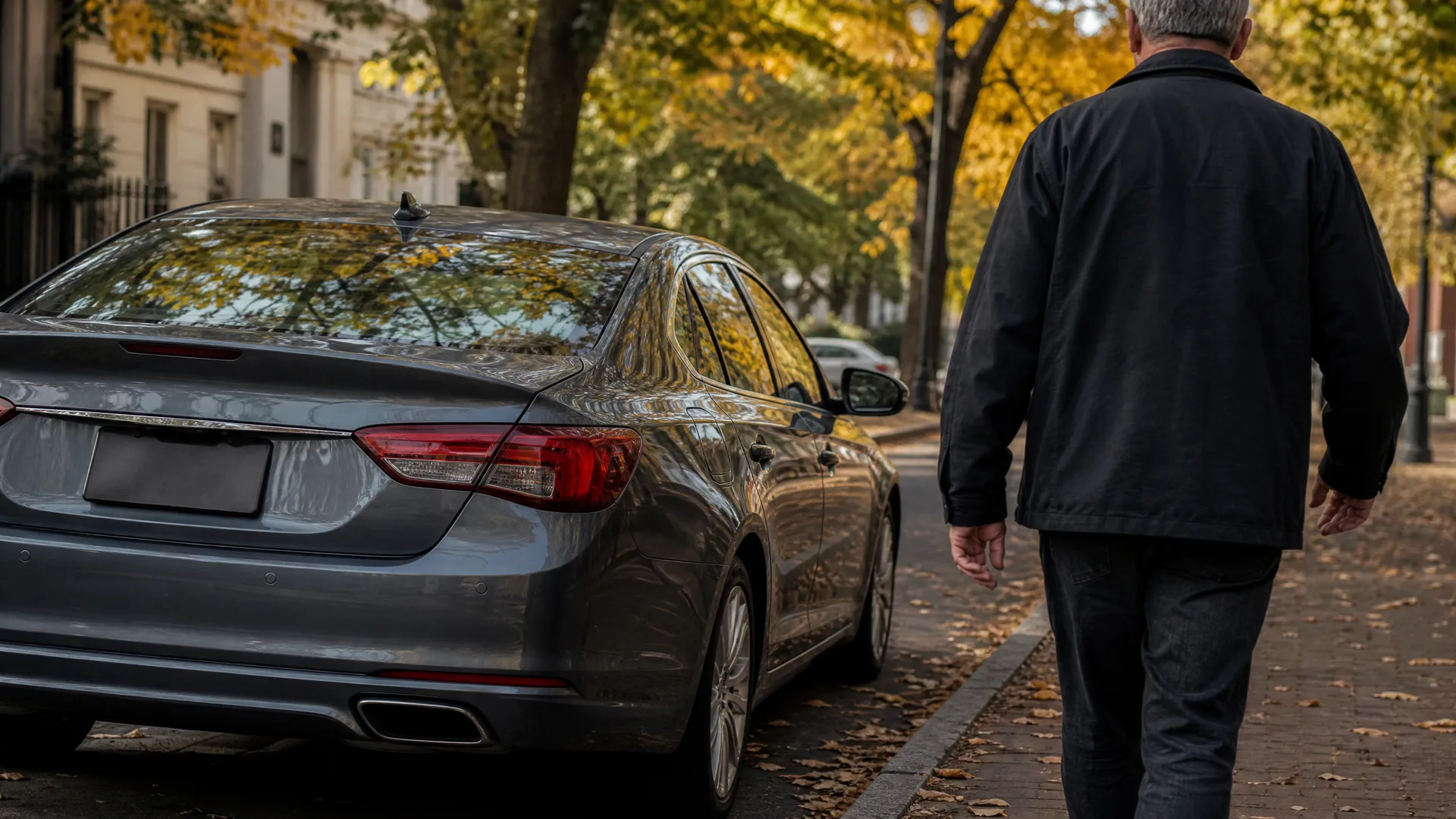
There's also a difference between your garaging address and where you actually drive most. Insurers rate based on where the car is kept overnight, so if you split time between two homes in different zip codes, tell your insurer which one is correct.
What else is layered on top of it
Zip code is one factor among several, and it doesn't override the others. Your driving record, how long you've been insured without a lapse, and the car you drive still matter, sometimes more than location does.
For a driver 65 or older, some insurers also weigh things like a completed defensive driving course or a clean recent record more heavily, which can offset a less favorable zip code. Ask your insurer directly whether that applies to your policy.
State rules matter here too. Some states limit how much weight an insurer can give to zip code or ban its use for rating entirely. What's allowed where you live is set by your state's insurance department, so if you want to know whether this applies to you, that's the place to check.
Because insurers don't all use the same rating territories or weigh the same factors the same way, the only real way to know what your zip code is costing or saving you is to compare quotes from more than one insurer at your actual address.
Questions people ask about this
Does my zip code affect insurance more than my age does?
Neither one factor decides the rate on its own. Insurers combine zip code with age, driving record, and vehicle type, and which one carries more weight depends on the insurer's own rating formula. The only way to see how they interact for you is to get a quote at your specific address.
Can I use a different zip code to get a lower rate?
No. Insurers rate your policy based on where your car is actually kept overnight, called the garaging address, and misstating it can cause a claim to be denied or a policy to be cancelled. If you have two homes, tell your insurer the one where the car is garaged most of the year.
Will moving to a smaller town lower my car insurance?
It often helps, but not always. Some small towns sit in rating territories with higher theft or weather-related claims than a nearby suburb, so the zip code itself matters more than how rural or urban the area feels. Ask for a quote at the new address before you assume it will be cheaper.
Why do two neighbors with the same car pay different rates?
Zip code sets a baseline, but it's layered with your individual driving record, coverage choices, and how long you've held continuous insurance. Neighbors can share a zip code and still land on different rates because the rest of their profile differs.
Does my insurer tell me how my zip code affects my rate?
Not always in plain terms. Insurers aren't required to break out the exact weight they give zip code versus other factors, though some will explain it if you ask. If you want specifics, call your insurer or agent and ask directly how your location factors into your premium.
See what insurers would charge for your actual address before you assume your zip code is working against you.
Pull up your current renewal notice and your mailing address as it's listed with your insurer, then confirm that's the correct garaging address. Get quotes from a few insurers using that exact address so you can see how each one prices your location. If you've moved recently or are thinking about it, ask for a quote at both addresses so you can compare directly. If a quote seems high and you're not sure why, ask the insurer or agent how much of it reflects your zip code versus other factors like your driving record. Check with your state's insurance department if you want to know what rules govern zip code based pricing where you live.