Does Moving to a Smaller Town Lower Car Insurance
A smaller town often means a lower rate, but it's the new zip code's own claims history that decides, not the town's size.
Free to compare
Usually, but the zip code has to earn it
Insurers price by zip code, not by population. A smaller town tends to have fewer accidents, less theft, and shorter commutes, and all of that can bring your rate down when you move there from a city.
But it isn't automatic. Some small towns sit on a highway with a bad accident record, or have high rates of vehicle theft, or fall under an insurer's rural weather risk for hail or deer strikes. Your new rate depends on what actually happens on the roads around your new address, not on how many people live there.
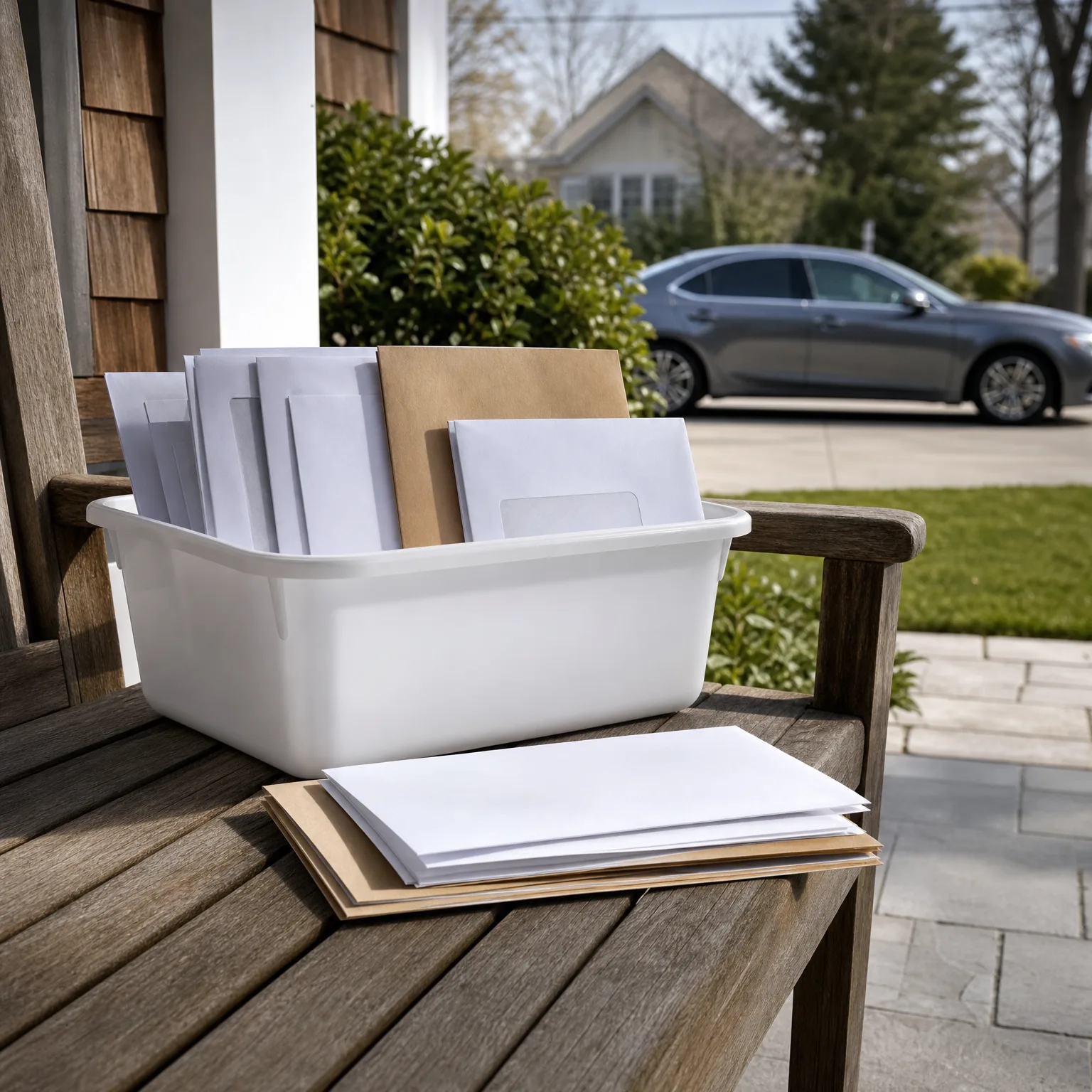
Your new zip code's own numbers
When you move, your insurer will reprice your policy based on the zip code you're moving to. They're looking at accident frequency, theft rates, vandalism, and how often claims get filed by people who live there.
A small town near a major interstate or a town that's become a weekend destination can have a claims history that looks worse than a nearby city neighborhood. Population size tells you nothing about any of that on its own.
If you want to know what to expect before you move, ask your insurer for a rate quote at the new address before the move, not after. Most insurers can give you that number with just the zip code and your current policy details.
Your commute length matters too. If the move cuts your daily drive, say goodbye to a highway commute in favor of a five minute drive to town, that alone can lower your rate regardless of where you're moving to.
What people get wrong about small towns
People assume rural means safer, and that's not always true. Small towns often have fewer traffic lights, higher speed limits, and more two lane roads, and those roads can carry higher rates of serious accidents than slow city traffic.
Animal collisions are a real cost in a lot of small towns and farming areas. If deer strikes are common where you're moving, that shows up in comprehensive coverage pricing even if liability goes down.
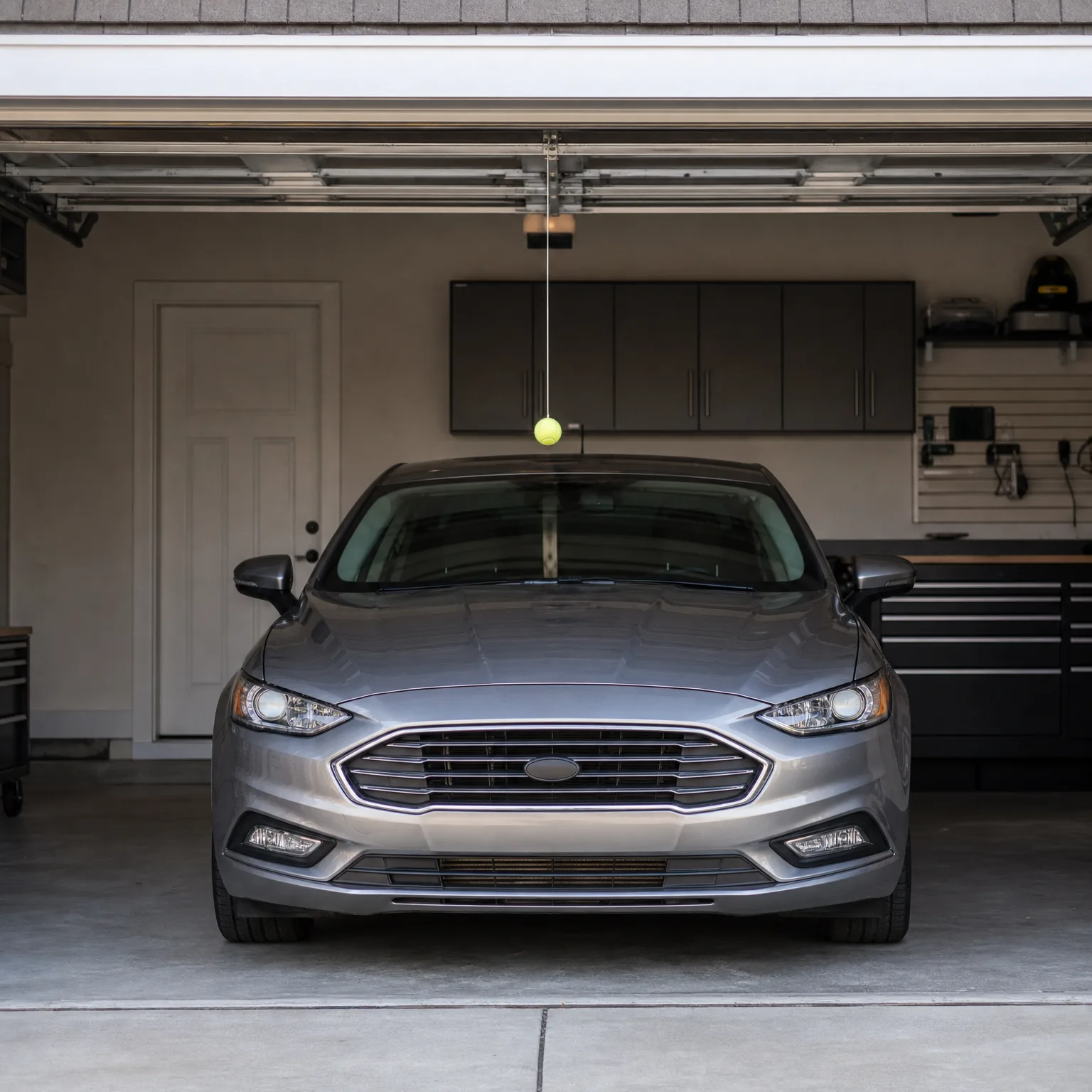
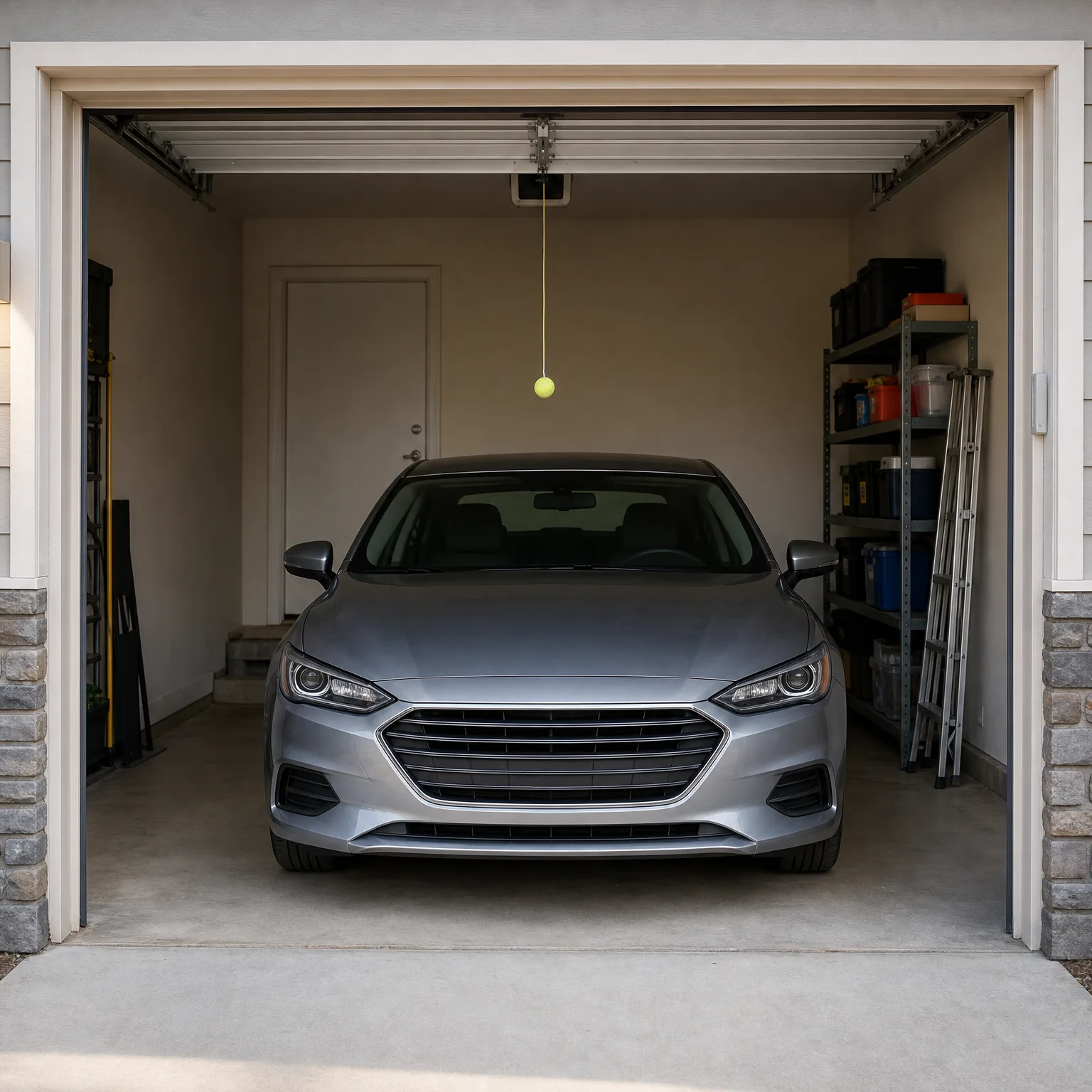
Where you park matters as much as where you live. A garage or a driveway in a small town usually beats street parking in a city, and insurers price that difference directly.
Also check whether your state lets insurers use credit based pricing or other factors that have nothing to do with the move at all. A change in your rate right after a move might be from something unrelated, so it's worth asking your insurer to break down what changed.
Questions people ask about this
Will my car insurance go up if I move to a rural area?
It can, if the area has higher rates of accidents, deer strikes, or theft than where you lived before. Ask your insurer for a quote at the new address before you move so you know what to expect.
Does changing my address affect my current policy immediately?
Your policy needs to reflect where the car is actually garaged, so you should tell your insurer as soon as the move happens. Waiting to update it can affect a claim if something happens in the meantime.
Can I keep my old zip code's rate after moving?
No, insurers price based on where the car is actually kept, not your billing address or a previous zip code. Giving an old address after you've moved can be considered misrepresentation on the policy.
Does a longer commute from a small town raise my rate?
It can, since insurers often ask how many miles you drive to work or school each day. If the move trades a short city commute for a longer rural one, mention the new mileage when you update your policy.
Should I shop around before or after I move?
Before, if you can. Getting quotes at the new address ahead of time lets you compare what different insurers would charge and decide whether to switch instead of just letting your current insurer reprice you.
See what your new address would actually cost before you commit to the move.
Before you move, get the exact address of the place you're considering and call your current insurer to ask what your rate would be there. Ask specifically whether the area has any rating factors like deer collisions, theft, or road conditions that would affect comprehensive or collision coverage. While you're at it, get quotes from a couple of other insurers for that same address, since rural pricing can vary more between companies than city pricing does. Once you've moved, update your address with your insurer right away rather than waiting for renewal, since driving on an outdated policy can create problems if you ever need to file a claim.