Should Seniors Keep a Second Car Just for Emergencies
A second car only makes sense if you'd use it enough to justify insuring, maintaining, and storing it.
Free to compare
It depends on how often you'd actually drive it
For most seniors, keeping a car parked for the rare emergency costs more than it's worth. You're paying for insurance, registration, and upkeep on a vehicle that spends most of its life sitting still, and a car that sits still develops its own problems, like a battery that won't hold a charge or tires that dry rot before they wear out.
The exception is a household where the primary car is often unavailable, say one spouse drives it for work or long trips, and the other needs reliable backup for appointments or errands. In that case it's not really an emergency car. It's a second car in regular use, and the math changes.
What the car would actually be for
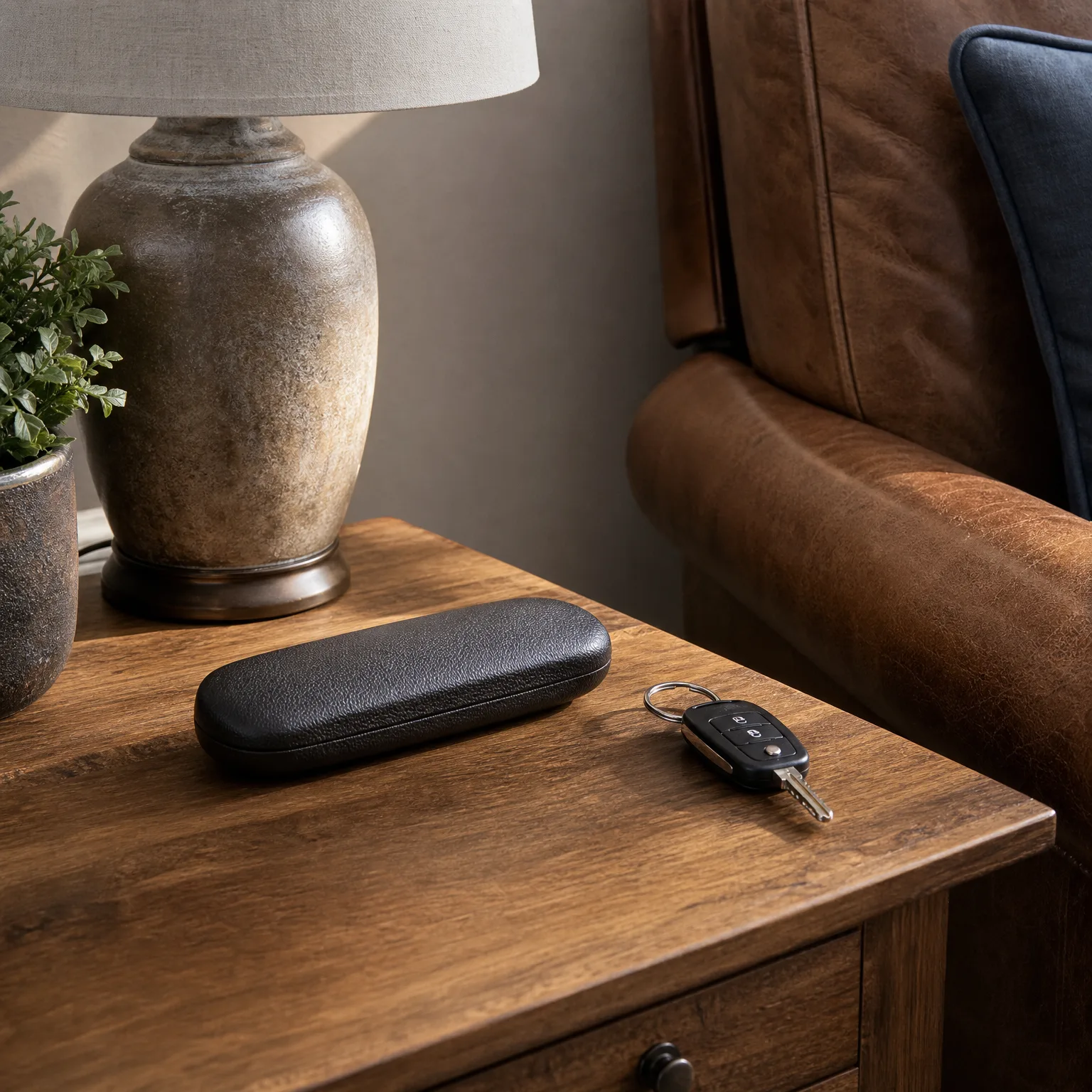
An emergency car implies a car you rarely start. Insurers price a policy partly on how much you drive, so a car that's driven only rarely should cost less to insure than your main vehicle, but it still carries its own premium, its own registration, and its own place in your coverage. You're not saving by splitting driving across two cars. You're adding a second fixed cost on top of the first.
A car that sits for weeks also needs attention it wouldn't need if driven regularly. Fuel degrades, batteries drain, brakes can seize up slightly from disuse. If nobody's starting it every week or two, you may find it doesn't start when you actually need it, which defeats the purpose of keeping it.
If the real goal is having a reliable way to get around when your main car is in the shop or when a family member borrows it, ask whether that happens often enough to call it regular use rather than emergency use. If it's a handful of times a year, a rental car or a ride service for those occasions is usually simpler and cheaper than owning a second vehicle year-round.
What it does to your insurance
Adding a second car to your policy doesn't just mean a second premium. Every insurer has its own rules about multi-car households, and some offer a discount for insuring more than one vehicle with them, while others price each car close to what it would cost on its own. Ask your insurer directly how they'd price a second car on your policy before assuming it's cheaper than it looks.
A second car also means a second vehicle that needs to pass whatever your state requires, registration renewal, emissions testing, safety inspection, on its own schedule. That's more paperwork and more deadlines to track, which is itself a kind of cost even if no money changes hands.
There's also the question of who else might drive it. If a child or grandchild would use the car occasionally, your insurer needs to know that, because an undisclosed regular driver can affect a claim. Ask how your policy would handle an occasional second driver before you assume the coverage already covers it.
Questions people ask about this
Is it cheaper to rent a car when needed instead of owning a second one?
For occasional use, renting is often cheaper once you count insurance, registration, and upkeep on a car that mostly sits idle. Compare what you'd actually spend keeping a second car insured and registered for a year against what a handful of rental days would cost. The rental also comes with no maintenance responsibility.
Does a car that's rarely driven need the same insurance coverage as a daily car?
The coverage you're required to carry is set by your state regardless of how often you drive, but how much you drive can affect your premium. Tell your insurer honestly how the car will be used, since misstating mileage can cause problems if you ever file a claim.
What happens to a car's battery and tires if it sits unused for long periods?
A battery can lose its charge and tires can develop flat spots or dry rot from sitting, even if the mileage never changes. A car kept for emergencies needs to be started and driven periodically just to stay reliable, which adds another task to keeping it around.
Should an older driver keep a car registered even if they rarely drive it anymore?
That depends on whether letting the registration lapse and reinstating it later would cost more than keeping it current, which varies by state. Check with your state's motor vehicle agency on what it takes to reinstate a lapsed registration before deciding to let it go.
Can insuring two cars under one policy lower the overall cost?
Some insurers offer a discount for covering more than one vehicle on the same policy, but not all price it the same way. Ask your insurer directly how they'd handle a second car to find out whether it actually saves money in your case.
See what a second car would actually cost to insure before you decide if it's worth keeping.
Start by tracking how often you'd realistically need a backup car over the next few months, not just imagine it. Call your insurer and ask exactly how they'd price a second vehicle on your policy, including any multi-car discount. Check your state's rules on registration and inspection for a vehicle that's driven only occasionally. Compare that total yearly cost against what renting a car or using a ride service for those same occasions would run. If the second car would mostly sit in the driveway, that comparison usually settles the question.