What to Ask a Retirement Community About Parking
Ask about covered spots, guest parking, and whether the community's address changes what you pay for car insurance.
Free to compare
Ask about covered parking, guest spots, and your garaging address
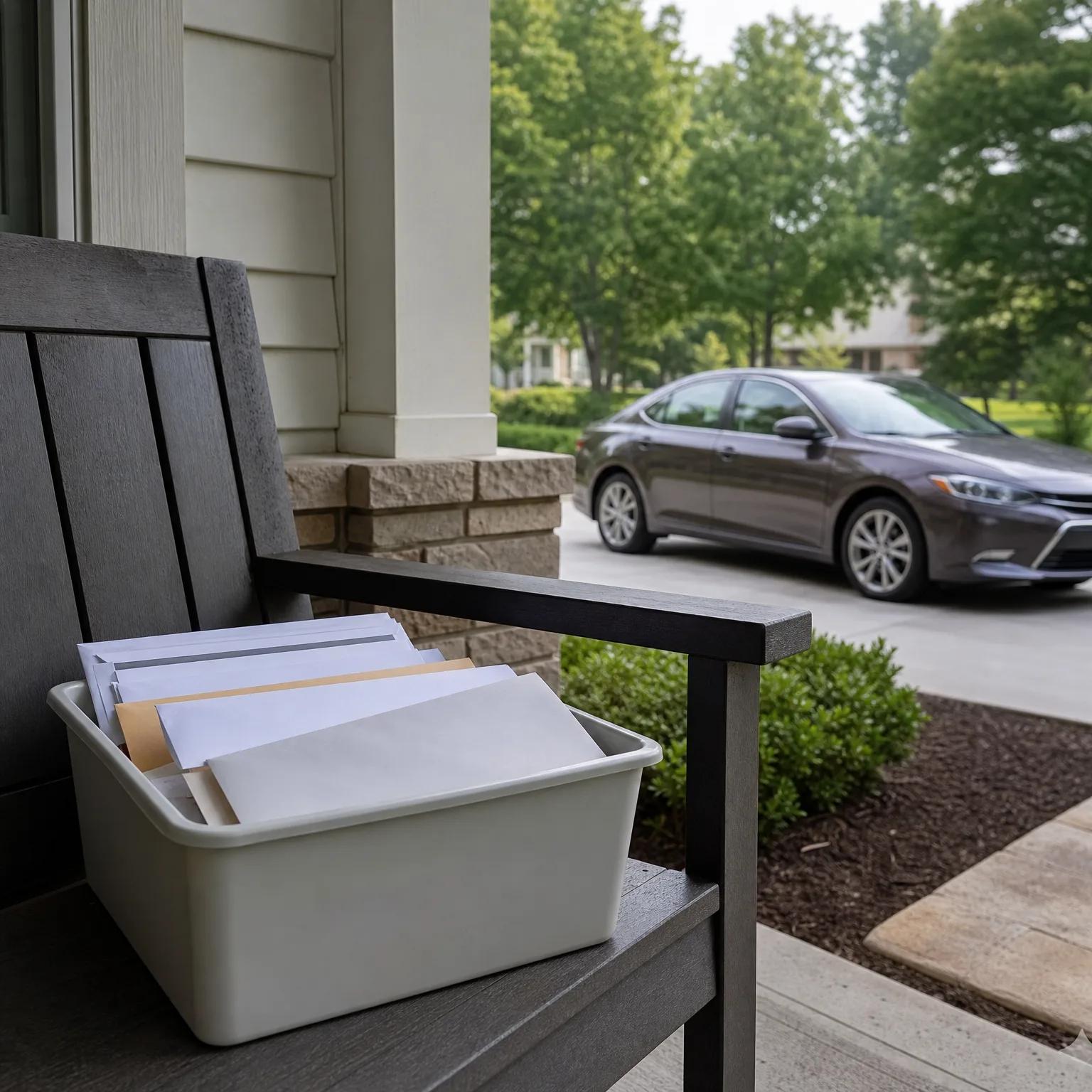
Before you move, ask the community how many spots come with your unit, whether covered or garage parking is available or costs extra, and where visitors are supposed to park. These sound like small details, but they shape daily life more than most people expect, especially if you still drive regularly or have family visiting often.
The other thing worth asking about, and the one people forget, is how the move affects your car insurance. Your rate is tied to where your car is garaged overnight. A move to a new address, even nearby, can change your premium because your insurer reprices based on the new location.
Your garaging address changes your rate
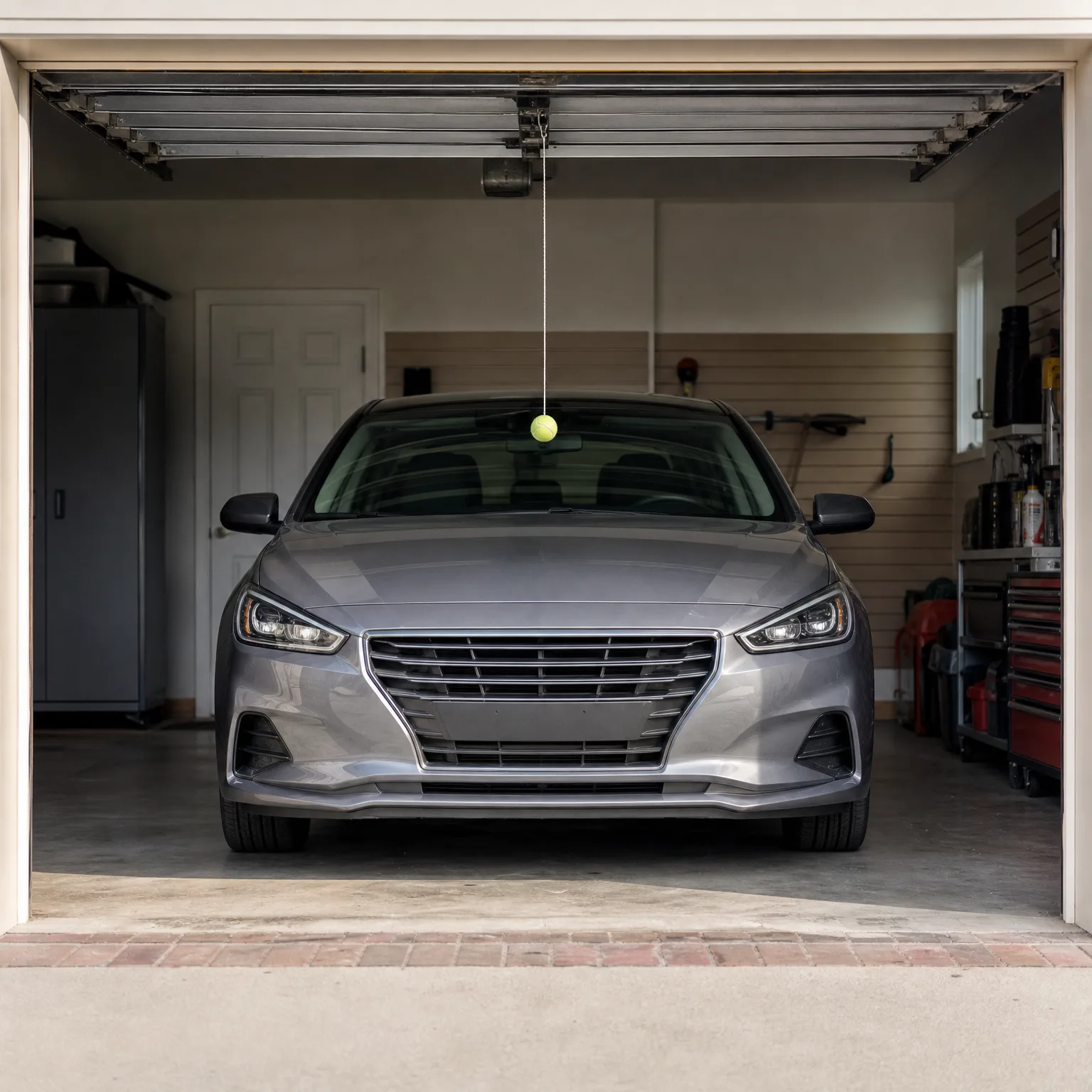
Car insurance is priced partly on where the car sits overnight. That address feeds into how your insurer figures the odds of theft, vandalism, or a claim in that area. When you move into a retirement community, you need to tell your insurer the new garaging address, even if you keep the same policy and the same car.
Ask the community for the exact mailing and physical address they want residents to use, since some communities have a separate street address for the parking area or garage than for the main building. Give your insurer the address where the car actually sleeps at night, not just the complex's main office address.
This can move your premium up or down. It depends entirely on the specific location, so there's no way to know the direction without asking your insurer to run the new address once you have it.
If the community offers a secured garage or gated lot, ask your insurer whether that changes anything. Some insurers factor in secured parking when they price a policy, others don't weigh it much at all.
What residents get wrong about guest and visitor parking
People moving in often assume guest parking works the way it did at their old house, where anyone could park in the driveway or on the street without a thought. Retirement communities frequently have their own rules: a limited number of visitor spots, a registration process, or a time limit on how long a guest's car can sit there.
Ask directly what happens if a visitor overstays the posted limit or parks in a resident's assigned spot by mistake. Some communities tow, some just leave a notice, and you want to know which before your son or daughter gets an unpleasant surprise.
Also ask whether overnight guest parking is allowed at all. Some communities restrict it, which matters if family plans to stay with you for more than a day.
Finally, ask who is responsible if a guest's car is damaged while parked on the property. The community's answer tells you whether that falls under your homeowner or renter coverage, the guest's own auto policy, or nobody's responsibility at all.
Questions people ask about this
Do I need to update my car insurance when I move into a retirement community?
Yes, you need to tell your insurer your new garaging address as soon as you move. Insurers price policies partly on where the car is kept overnight, so an address change can affect your premium either way. Check with your insurer before or right after the move so there's no gap in accurate information on your policy.
Does a secured or gated parking lot lower my car insurance?
It depends on the insurer. Some give a reduction for a car kept in a locked garage or gated lot because it lowers the chance of theft or vandalism, others don't factor it in much at all. Ask your insurer directly whether the specific setup at your new community qualifies for anything.
What happens to my parking spot if I stop driving later on?
That depends on the community's own policy, not on insurance. Some let you give up the spot and adjust your fees, others hold it as part of your unit regardless of whether you use it. Ask this before you sign anything, since policies vary widely between communities.
Can I keep two cars in a retirement community with limited parking?
Ask the community directly, since parking allotments per unit vary and some places charge extra or put you on a waiting list for a second spot. If you do keep two cars, check with your insurer about how a second vehicle is priced on your policy, since the garaging address applies to both.
Will my insurance company need proof of my new address?
Most insurers will ask for the new address in writing or through an online update, not for a formal document, but requirements vary by company. Call your insurer to ask exactly what they need so the change is reflected correctly on your policy and declarations page.
Once you know your new garaging address, see how it changes what you'd pay before you commit to anything.
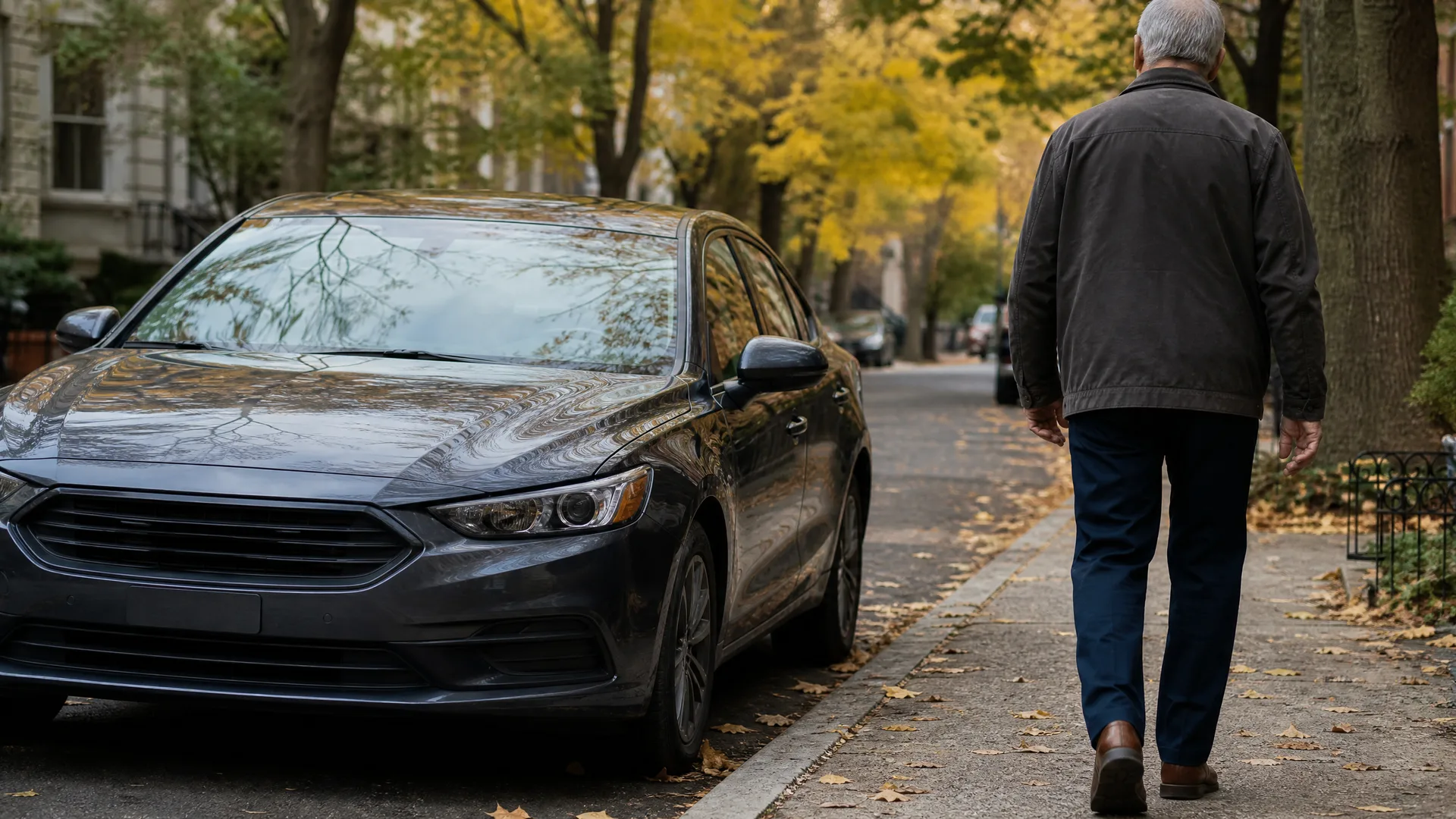
Get the exact parking details in writing from the community: how many spots come with your unit, whether covered parking costs extra, and the specific address they want used for mail and for insurance purposes. Call your current insurer with that address and ask them to quote your policy at the new location before you move, so you aren't surprised at renewal. If the community offers secured or gated parking, ask your insurer directly whether that affects your rate. If you're giving up a car or adding one as part of the move, mention that in the same call since it changes the quote. Keep a copy of whatever the community gives you about parking rules, in case a question comes up later about guest spots or liability.